You Won’t Believe What We Ate Driving Through San Jose, Costa Rica
Driving through San Jose, Costa Rica, turned out to be way more than just a road trip—it was a full-on flavor adventure. I never expected that the side streets and mountain roads would lead us to some of the most authentic local eats I’ve ever tasted. From sizzling street food stalls to hidden family-run sodas, every stop was a burst of color, spice, and warmth. This is real Costa Rican life, served on a plate. What began as a simple drive from the capital into the surrounding highlands transformed into a journey of discovery, where each meal told a story of tradition, land, and family. For travelers seeking connection beyond the tourist trail, this culinary road trip offers an intimate window into the heart of a nation that celebrates simplicity, freshness, and togetherness—one bite at a time.
Why San Jose is the Perfect Starting Point for a Self-Drive Food Adventure
San Jose stands at the center of Costa Rica, both geographically and culturally. As the nation’s capital, it serves as a natural gateway to the rich tapestry of landscapes and communities that define the country. But beyond its role as a transportation hub, San Jose pulses with daily life—markets brimming with produce, street vendors firing up grills at dawn, and families gathering in neighborhood sodas after work. This rhythm makes it the ideal launchpad for a self-drive food adventure, where the journey itself becomes part of the experience.
Driving from San Jose opens access to culinary destinations that are often missed by guided tours or public transit. While many visitors stay within the city limits or head straight to beach resorts, those who take the wheel discover a different Costa Rica—one where food is grown, prepared, and shared in ways unchanged for generations. Whether winding through misty highlands or descending into lush valleys, each route offers new flavors shaped by altitude, climate, and local tradition. The freedom to stop at a roadside fruit stand or follow a scent of grilled meat down a narrow alley turns every drive into a potential discovery.
For international travelers, driving in Costa Rica may seem daunting at first, but conditions around San Jose are generally manageable. Roads leading out of the city to nearby towns are well-maintained, and signage has improved in recent years. Rental cars with automatic transmission are widely available, and GPS navigation works reliably in most areas. Drivers should remain cautious on mountain roads, especially during the rainy season, but with basic preparation, navigating the region is both safe and rewarding. The ability to set your own pace and explore off-the-beaten-path eateries makes driving one of the most authentic ways to engage with Costa Rican cuisine.
The Real Taste of Costa Rica: Understanding Local Cuisine Beyond “Gallo Pinto”
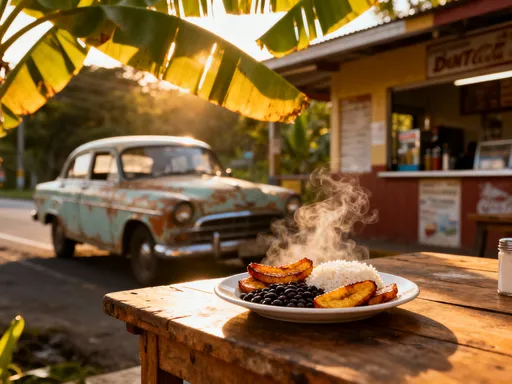
When most people think of Costa Rican food, gallo pinto—a mix of rice and black beans spiced with cilantro and Lizano sauce—comes to mind. While this beloved dish is indeed a staple, it’s only the beginning of a much broader culinary story. Costa Rican cuisine is rooted in simplicity and freshness, built around ingredients that grow abundantly in the country’s fertile soil and tropical climate. Plantains, yuca, corn, rice, beans, and a rainbow of tropical fruits form the foundation of daily meals, while coastal regions add fresh fish and shellfish to the table.
What sets Costa Rican food apart is not complexity, but intention. Meals are designed to nourish, bring people together, and reflect the rhythms of rural life. Breakfast often includes eggs, fried plantains, and a slab of white cheese, while lunch—the main meal of the day—typically features a casado, a balanced plate with rice, beans, meat, salad, and a fried plantain. These dishes are not just sustenance; they are expressions of family, community, and respect for the land. In many homes and small eateries, cooking is still done over wood-fired stoves, adding a subtle smokiness that store-bought meals can’t replicate.
The Central Valley, where San Jose is located, has its own distinct flavor profile shaped by elevation and agriculture. Cooler temperatures support the growth of heartier vegetables like carrots, cabbage, and chayote, which frequently appear in stews and side dishes. Dairy farming is also prominent in this region, resulting in creamy cheeses and fresh milk used in both savory and sweet preparations. Unlike the spicier coastal cuisines of Nicaragua or Panama, Costa Rican food tends to be mild, allowing natural flavors to shine. This understated quality makes every bite a quiet celebration of what the earth provides, inviting travelers to slow down and savor the moment.
Day One: Street Food Wonders in Downtown San Jose – Where to Stop and What to Order
The best way to begin a food journey through San Jose is on foot, in the heart of the city’s Central Market. Open since 1880, this bustling indoor market is a sensory overload in the best possible way. Narrow aisles wind between stalls piled high with pyramids of mangoes, bright red dragon fruit, and spiky rambutans. The air carries the tang of ripe pineapple, the earthiness of fresh herbs, and the rich aroma of coffee roasting in the back rooms. Amid this abundance, small food counters serve some of the most authentic flavors in the city, drawing in office workers, taxi drivers, and curious visitors alike.
One of the standout experiences is watching tortillas being made by hand. At a small corner stall near the market’s eastern entrance, a woman in a floral apron presses balls of masa between a cast-iron press, then flips them onto a hot griddle. The tortillas puff slightly as they cook, releasing a warm, corny fragrance. Paired with a slab of queso fresco—mild, slightly salty, and handmade daily—this simple combination is a revelation. It’s the kind of meal that reminds you how satisfying real, unprocessed food can be. Many visitors overlook these humble offerings in favor of flashier dishes, but locals know that true flavor often lies in the basics.
For lunch, a sidewalk cart near the market’s main plaza serves one of the best casados in the city. The owner, a man in his fifties who has run the stand for over twenty years, prepares everything from scratch each morning. His version includes grilled chicken marinated in garlic and citrus, a crisp cabbage-carrot slaw, and a house-made chimichurri that adds a bright, herby kick. The rice is perfectly fluffy, the black beans creamy, and the fried plantain caramelized at the edges. Eating at a plastic table under a faded umbrella, surrounded by the hum of conversation and passing buses, feels like being let in on a local secret. This is not staged for tourists—it’s how people eat every day, with pride and pleasure.
Cruising Out of the City: Scenic Drives That Lead to Hidden Culinary Gems
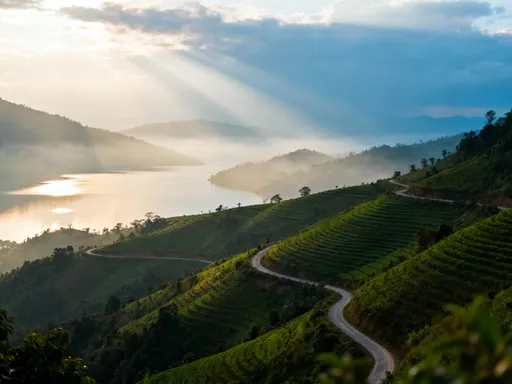
Leaving San Jose behind, the landscape begins to shift within minutes. The city’s concrete sprawl gives way to rolling hills, coffee plantations, and patches of cloud forest. The drive toward towns like Aserrí, Santa María de Dota, and Orotina offers not just stunning views but also access to roadside food stands that are integral to rural life. These small operations, often run out of converted shipping containers or open-air kiosks, serve as pit stops for farmers, truckers, and travelers. They are unassuming, sometimes lacking signage, but they offer some of the most genuine tastes of the region.
One of the most common and beloved roadside offerings is the empanada. In Costa Rica, these golden half-moons are typically filled with cheese, chicken, or tuna and deep-fried until crisp. Unlike their Latin American cousins, which can be flaky or baked, Costa Rican empanadas have a denser, more substantial crust that holds up well during travel. Found at nearly every crossroads, they make for a perfect snack between destinations. Another staple is the tamal, a steamed bundle of masa filled with pork, vegetables, and olives, wrapped in banana leaves. These are especially popular during holidays but can still be found year-round at family-run stands.
For something sweet, many drivers stop for agua dulce—a warm, spiced drink made from raw cane sugar, cinnamon, and sometimes ginger. Served in reusable glass jars, it’s both energizing and comforting, ideal for cooler mountain mornings. The best stands are often identified not by signs but by the line of parked motorcycles and pickup trucks. Timing is important: many of these vendors operate only in the morning or early afternoon, closing once supplies run out. Travelers who plan their routes to align with daylight hours and local rhythms are rewarded with fresher food and more meaningful interactions. Driving through these rural zones isn’t just about reaching a destination—it’s about participating in the flow of everyday life.
The Soda Experience: Eating Like a Local in Authentic Family-Run Eateries
If the market and roadside stand represent the pulse of Costa Rican street food, the soda is its soul. A soda is a small, family-owned restaurant, often located in a converted home or simple storefront. These establishments are not chains or franchises—they are personal projects, usually named after the owner or a family member. Menus are handwritten, specials are posted on chalkboards, and the cook is often the same person who greets you at the door. In a soda, there are no pretensions, only home cooking made with care and consistency.
A visit to a countryside soda outside Aserrí offers a perfect example of this tradition. The building, painted sky blue with white trim, sits at the edge of a coffee farm. Inside, a wood-fired stove heats the kitchen, and the scent of simmering tomato sauce fills the air. The owner, Doña Marta, has run the place for over thirty years, serving generations of locals and the occasional traveler who stumbles upon it. Her daily special, picadillo, is a savory mix of ground beef, diced potatoes, carrots, and green olives, all cooked slowly with onions and bell peppers. Served with rice and a slice of fried plantain, it’s hearty, balanced, and deeply satisfying.
The menu also includes ensalada rusa, a cold potato salad with peas, carrots, and beets bound in mayonnaise—a dish with Russian roots that has become a Costa Rican classic. While it may seem out of place, its presence speaks to the country’s quiet cultural blending, where European influences have been gently absorbed into local custom. For dessert, arroz con leche—rice pudding made with cinnamon, milk, and a touch of sugar—offers a creamy, comforting finish. What makes the soda experience so powerful is not just the food, but the connection. Doña Marta remembers regulars by name, asks about their families, and insists you try her new mango jam. In these moments, dining becomes an act of belonging.
Markets and Producers: Connecting with Food Roots on the Road
Beyond restaurants and roadside stands, some of the most meaningful food experiences happen in local markets and on small farms. Just a short drive from San Jose, towns like Aserri and Puriscal host weekly farmers’ markets where growers sell directly to the public. These gatherings are more than shopping trips—they are community events, where neighbors catch up, musicians play softly in the background, and children run between stalls. The produce on display is astonishingly fresh, often harvested the same morning.
One vendor proudly displays chayote, a mild, crunchy squash used in soups and stir-fries. Another offers hearts of palm, sustainably harvested from young palm trees and prized for their tender texture. Local honey, harvested from hives nestled in the hills, comes in jars labeled with the beekeeper’s name and the floral source—guava, citrus, or wildflower. Buying directly from these producers allows travelers to taste food at its peak while supporting small-scale agriculture. Many vendors are happy to explain how their products are grown or prepared, turning a simple purchase into a mini-education in Costa Rican food culture.
One of the highlights of the journey is a visit to a small coffee farm near Santa María de Dota. Unlike large commercial plantations, this family-run operation processes only a few hundred pounds of beans each season. The owner offers a tour of the drying patios, the depulping machine, and the roasting area, followed by a tasting on a shaded porch overlooking the valley. The coffee, brewed in a traditional chorreador—a cloth bag suspended over a carafe—is rich, smooth, and slightly floral. This direct connection between land, labor, and flavor deepens appreciation for every cup. These encounters remind travelers that food is not just something we consume, but a story of people, place, and care.
Practical Tips for a Smooth, Flavor-Filled Self-Drive Journey
To make the most of a self-drive food adventure from San Jose, a few practical considerations can ensure both comfort and safety. First, when renting a car, opt for automatic transmission unless you’re experienced with manual driving on steep, winding roads. Many rental agencies are located at the airport or in the city center, and international driving permits are accepted. While GPS navigation works well in urban and major rural areas, it’s wise to download offline maps, as signal can be spotty in mountainous zones. Parking in San Jose can be challenging, so look for secure lots or garages near your starting point.
When it comes to food safety, a few simple rules go a long way. Choose stalls and sodas that are busy with locals—high turnover usually means fresh ingredients. Avoid raw foods that have been sitting out in the sun, and stick to dishes that are cooked to order. Bottled water is widely available, and it’s best to avoid ice unless you’re in a reputable establishment. Most Costa Ricans take pride in cleanliness, and many food vendors follow strict hygiene practices, but it’s always better to err on the side of caution, especially during the first few days of travel.
For a balanced itinerary, consider a three-day loop that combines driving, eating, and light exploration. Day one could focus on San Jose’s markets and downtown eats. Day two might include a drive to Aserrí and Santa María de Dota, with stops at roadside stands and a countryside soda. Day three could take you toward Orotina or the western Central Valley, known for its fruit farms and dairy production. This pace allows for leisurely meals, spontaneous discoveries, and enough rest to truly enjoy the journey. Packing a small cooler with water and snacks can also help manage hunger between stops, especially on longer drives.
Conclusion: More Than a Meal—A Journey Through Culture, One Bite at a Time
Driving through San Jose and its surrounding regions is more than a way to get from place to place—it’s a pathway into the heart of Costa Rican life. Every meal encountered along the way, from a simple tortilla at a market stall to a full casado at a family soda, carries the imprint of tradition, land, and community. These experiences go beyond taste; they create connection, understanding, and lasting memories. In a world where travel can sometimes feel rushed or superficial, this kind of journey invites you to slow down, engage your senses, and follow your curiosity.
The beauty of a self-drive food adventure lies in its flexibility and authenticity. There are no scripted tours or timed entries—just the open road, the scent of wood smoke, and the kindness of people who welcome you with a plate and a smile. By stepping off the tourist path and into the rhythm of daily life, travelers gain something rare: a genuine glimpse into how others live, eat, and find joy in the simple things. San Jose is not just a capital city; it is a doorway to a culture that values warmth, hospitality, and the shared table.
For women in their thirties to fifties—many of whom are seeking meaningful, enriching travel experiences—this kind of journey offers both comfort and discovery. It doesn’t require extreme adventure or physical risk, but it does reward openness, patience, and a willingness to try something new. Whether you’re traveling solo, with a friend, or as part of a family trip, the flavors of Costa Rica, experienced at your own pace, can nourish not just the body but the spirit. So take the wheel, roll down the window, and let the road—and the aroma of something delicious—lead the way. The real Costa Rica is waiting, one bite at a time.