Lost in the Soul of Shiraz: Where Every Alley Tells a Story
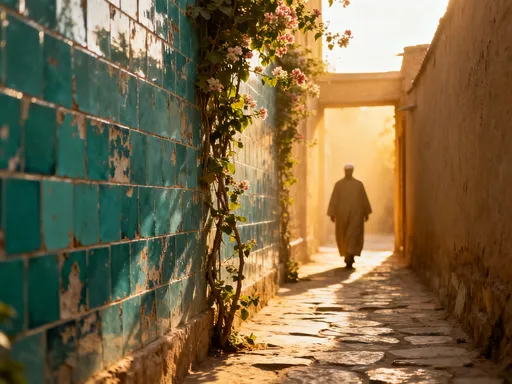
Walking through Shiraz feels like flipping through the pages of a living poem. The air carries whispers of Hafez’s verses, gardens bloom with quiet elegance, and every local smile feels like an open invitation. I didn’t just visit—I felt Shiraz. From hidden courtyards to fragrant street food, this city rewards the curious traveler who wanders with heart. Let me take you where guidebooks rarely go.
Arrival in Shiraz: First Impressions Beyond the Postcards
Shiraz greets visitors not with towering skyscrapers or neon signs, but with a gentle embrace of rhythm and warmth. As you step off the plane or descend from a long-distance bus, the first thing you notice is the pace—a soft, deliberate cadence that seems to echo through the streets. Unlike the bustling urgency of Tehran or the meticulously restored symmetry of Isfahan, Shiraz unfolds slowly, like a melody played on a tar at twilight. The city sits cradled between dusty southern hills, where the scent of ripe grapes lingers in the autumn air and fig trees shade quiet alleyways. In spring, the breeze carries the perfume of blooming jasmine; in summer, the golden light bathes everything in a honeyed glow. Even the sound is distinct—Farsi spoken in a melodic southern dialect, laughter spilling from open-air cafés, the distant call to prayer blending with birdsong.
What makes Shiraz different is not just its physical beauty, but the way it makes you feel immediately at ease. There’s no pressure to perform, to rush, or to impress. You are not watched with suspicion but welcomed with genuine curiosity. A shopkeeper might offer you tea simply because you paused to admire a handwoven rug. A young student may stop to practice English, not for profit, but for connection. This emotional resonance is the city’s quiet magic. It doesn’t shout its wonders; it whispers them. And in that whisper lies the first lesson of travel here: the most meaningful journeys begin not with a map, but with an open heart.
Shiraz’s charm is deeply tied to its identity as Iran’s cultural soul. Known as the City of Poets, Gardens, and Wine (though alcohol is prohibited today), it carries a legacy of art, philosophy, and intellectual refinement. The Zand Dynasty, which ruled in the 18th century, left behind a legacy of elegant public spaces and modest yet graceful architecture. Unlike cities built for conquest, Shiraz was shaped for contemplation. Its parks, fountains, and shaded walkways were designed not just for utility, but for leisure and reflection. This historical intention still shapes the city’s atmosphere—every bench, every garden path, seems to invite you to sit, breathe, and simply be.
The Gardens That Breathe: Experiencing Iran’s Answer to Paradise
If Shiraz has a heartbeat, it pulses in its gardens. These are not mere green spaces, but living embodiments of a centuries-old Persian ideal: the concept of pairidaeza, the origin of the word “paradise.” Rooted in Zoroastrian and later Islamic traditions, these gardens represent harmony—between water and earth, shade and sunlight, structure and nature. To walk through one is to step into a philosophy made visible. The most renowned, Eram Garden, is a UNESCO-listed site nestled along the banks of the Khoshk River. Its tall cypress trees stand like sentinels, framing a grand Qavam Pavilion adorned with intricate tilework and stained glass. At its center, a long reflecting pool mirrors the sky and the silhouette of the mountains beyond, creating a dreamlike sense of continuity between earth and heaven.
But Eram is only the beginning. Shiraz is dotted with smaller, quieter gardens that offer equally profound experiences. Narenjestan Garden, once part of a noble residence, is fragrant with blooming bitter orange trees—narenj—whose blossoms scent the air in spring. The garden’s pavilion features exquisite mirror work and painted panels depicting poetic scenes, inviting quiet contemplation. Nearby, Afif-abad Garden combines military history with natural beauty, housing a former mansion and a small museum within a lush landscape of roses, willows, and flowing fountains. Each garden follows the classic chahar bagh—four-part—layout, symbolizing the four elements or rivers of paradise, with water channels dividing the space into quadrants.
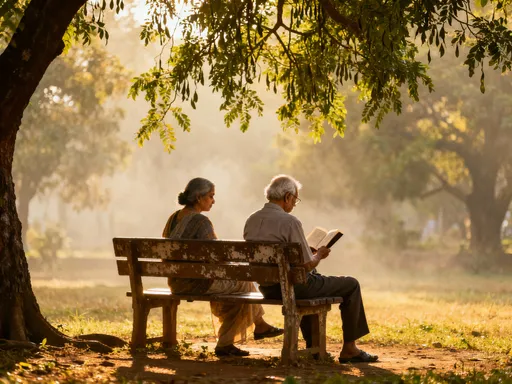
What sets these gardens apart is not just their beauty, but their role in daily life. Locals come here not only to admire but to live. You’ll see families spreading picnic cloths under the trees, students reading beneath shaded pergolas, and elders sipping tea while watching the world pass by. The gardens are democratic spaces—open, accessible, and free from pretense. They are places of restoration, where the mind slows and the soul breathes. For the visitor, spending time in these sanctuaries is not a passive act of sightseeing, but an invitation to participate in a way of being that values balance, beauty, and inner peace.
Poetry as a Living Soundtrack: Hafez and Saadi in the City’s Pulse
In Shiraz, poetry is not a relic of the past—it is a living, breathing presence. The names Hafez and Saadi are not just celebrated; they are cherished, quoted, and woven into the fabric of everyday conversation. To visit their tombs is not to tour a mausoleum, but to witness a continuous act of devotion. Hafez’s resting place, nestled in the serene Musalla Gardens on the edge of the city, is especially revered. At any hour, you’ll find Iranians of all ages seated on stone benches, quietly reading from the Divan-e Hafez, their fingers tracing the lines as if touching something sacred. Some come to seek guidance, flipping open the book at random and interpreting the first verse they see—a practice known as fall-e Hafez, or “seeking Hafez’s omen.” Others come simply to be near his spirit, to feel the weight of his words in the air.
Hafez, who lived in the 14th century, is beloved for his lyrical depth, spiritual insight, and subtle defiance of dogma. His poems speak of love, longing, and the search for truth, often cloaked in metaphor and wine imagery. But in Shiraz, his verses are not hidden in symbolism—they are spoken aloud, shared over tea, written on wall hangings, and even whispered as blessings. It’s common to hear someone quote Hafez during a meal or at a gathering, as naturally as one might cite a proverb. Saadi, another literary giant buried in a tranquil garden setting nearby, is admired for his wisdom and humanism. His Gulistan (The Rose Garden) is filled with moral tales and reflections on justice, kindness, and humility—values that still resonate deeply in Iranian culture.
Understanding this poetic tradition transforms the way you experience the city. A stroll through an old neighborhood becomes richer when you realize that the courtyard you’re passing might have inspired a verse. A shared meal gains depth when your host quotes Saadi on hospitality: “Human beings are limbs of one body, created from the same soul.” Poetry here is not performance; it is belonging. For the traveler, engaging with this tradition—by reading a translated verse, visiting a tomb with respect, or simply listening—opens a door to the soul of Shiraz. It shifts your journey from observation to participation, from tourism to tenderness.
Bazaar Immersion: The Heartbeat of Shiraz in Motion
No single place captures the rhythm of Shiraz more vividly than Vakil Bazaar. This sprawling network of covered alleys, built during the Zand era, is not a tourist attraction but a living marketplace where commerce, culture, and community intersect. To enter is to be enveloped in a symphony of senses: the golden glow of saffron threads in glass jars, the tangy aroma of dried limes and sumac, the rhythmic clang of copper artisans shaping trays by hand. The air hums with barter, laughter, and the occasional call to prayer echoing through vaulted ceilings. Sunlight filters through clay domes, casting shifting patterns on stone floors worn smooth by centuries of footsteps.
Vakil Bazaar is best experienced slowly, with curiosity rather than urgency. The key is not to rush toward a purchase, but to let the space reveal itself. Begin in the spice section, where mounds of crimson sumac, golden turmeric, and fragrant dried rose petals create a painter’s palette. Vendors are happy to let you smell and sample, often offering a pinch of saffron to dissolve in water, demonstrating its authenticity. Nearby, the carpet stalls display handwoven treasures from Fars Province—rich reds, deep blues, and intricate tribal patterns. Each piece tells a story, often woven with symbolic motifs representing protection, fertility, or nature.
Further in, you’ll find sections dedicated to textiles, jewelry, and traditional clothing. The aba—a long, flowing woolen cloak—is still worn by some older men, especially in rural areas. Artisans sit cross-legged, repairing leather sandals or engraving copper with delicate floral patterns. One of the most enchanting areas is the old tea and herb section, where dried mint, chamomile, and wild thyme are sold in paper cones. It’s here that you might pause at a small tea stall tucked into a corner, where a kettle whistles over a charcoal brazier and an old man pours daryacheh tea—sour tea made from dried barberries—into tiny glasses.
Navigating the bazaar is as much about etiquette as exploration. Haggling is expected, but it should be gentle and respectful—more of a dance than a battle. Begin by asking the price, then offer slightly less, and let the conversation unfold. Often, the real exchange is not monetary but social. A shopkeeper may insist you sit, pour you tea, and tell you about his family before any business is discussed. These moments are not distractions; they are the essence of the experience. To move through Vakil Bazaar as a curious guest, rather than a hurried tourist, is to understand that commerce here is rooted in relationship, not transaction.
Off-the-Radar Courtyards and Hidden Teahouses
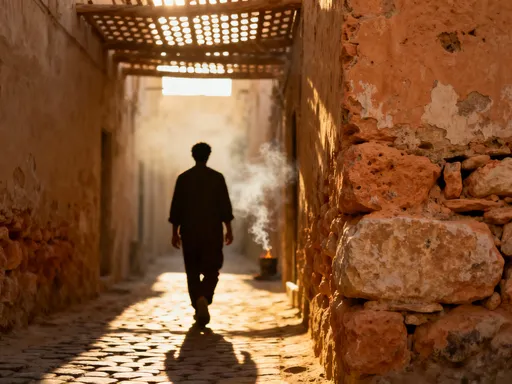
Beyond the well-trodden paths of Eram Garden and Vakil Bazaar, Shiraz reveals its most intimate secrets in quiet residential neighborhoods. Here, tucked between modest homes and fruit trees, are forgotten havelis—traditional Persian houses with inner courtyards, stained-glass windows, and wind towers that once cooled the air before modern fans. Some of these historic homes have been quietly repurposed into local teahouses, known as chai khaneh sadeh, where elders gather to play backgammon, sip tea, and exchange stories. These places are rarely marked on maps, and few guidebooks mention them—not out of secrecy, but because they are not designed for tourism. They exist for the community, and their charm lies in their authenticity.
One such courtyard, near the remains of the old Zand-era bathhouse, opens into a tranquil space where sunlight dapples through grapevines overhead. Wooden benches line the walls, and the air carries the scent of cardamom from freshly brewed tea served in hand-painted porcelain cups. An old man stirs honey into his glass while two friends debate poetry over a backgammon board. There’s no menu, no prices listed—just a nod to the attendant, who brings whatever is being served that day. Sometimes it’s nan-e taftoon, warm flatbread baked in a clay oven, served with feta cheese and wild herbs. Other times, it’s a simple stew simmered in a pot behind the counter, shared among strangers who become temporary companions.
These hidden spaces are where Shiraz’s true hospitality shines. There’s no performance, no staged folklore—just daily life unfolding in its natural rhythm. You may be invited to join a conversation, offered a taste of homemade jam, or simply acknowledged with a warm smile. The absence of commercial pressure makes these moments feel sacred. For the traveler, discovering such a place is not about checking off a destination, but about feeling seen, welcomed, and momentarily at home. It’s a reminder that the deepest travel experiences are not found in grand monuments, but in the quiet generosity of ordinary people.
Flavors That Define a City: A Street-by-Street Taste Journey
To taste Shiraz is to understand it. The city’s cuisine is bold, balanced, and deeply connected to its land and seasons. Breakfast often begins at a local nanvai (baker), where nan-e barbari—a thick, sesame-dusted flatbread—is pulled fresh from the oven and paired with golden honey, tangy feta, and wild thyme. Street vendors sell halva—a dense, nutty confection—still warm, its surface glistening with butter. But the true soul of Shirazi food lies in its salads, stews, and grilled meats, each dish a reflection of regional pride.
The most iconic is salad shirazi, a vibrant mix of diced cucumber, tomato, and red onion, dressed simply with lemon juice, olive oil, and a pinch of mint. It’s crisp, refreshing, and ubiquitous—served alongside almost every meal. Then there’s koobideh and barg kebabs, grilled over smoky charcoal and served with saffron rice and grilled tomatoes. The best spots are unassuming kababi joints tucked into side streets, where the meat is minced fresh daily and the naan is baked to order. One such place, known only to locals, serves its kebabs with a side of grilled walnuts and pomegranate molasses—a tart contrast that elevates the smoky flavor.
For a deeper culinary dive, seek out family-run khanehs—traditional homes that open their doors to guests for home-cooked meals. Here, you might be served fesenjan, a rich stew of pomegranate molasses and ground walnuts, simmered with chicken or duck until tender. Or ghormeh sabzi, a fragrant herb stew with kidney beans and dried limes, slow-cooked for hours. Meals are served on a sofreh—a cloth spread on the floor—with everyone eating together, hands reaching for shared dishes. The act of eating is not hurried; it’s a ritual of connection, storytelling, and gratitude.
And then there are the fruit stalls—overflowing with pomegranates, sour cherries, figs, and mulberries. In season, vendors offer samples, their faces lighting up as you react to the burst of tart juice. A simple glass of freshly squeezed pomegranate juice, deep red and slightly fizzy, can become a moment of pure delight. In Shiraz, food is never just fuel. It is memory, identity, and love served on a plate.
Leaving Shiraz: Carrying the Poet’s City With You
When you finally leave Shiraz, you don’t forget it—you carry it. The city doesn’t fade like a photograph; it settles into your mind like a verse you can’t stop repeating. You’ll find yourself recalling the sound of water in a garden fountain, the warmth of tea in a hidden courtyard, the way a stranger quoted Hafez as if sharing a secret. Back home, you might wake in the night craving the smoky char of a Shirazi kebab or the crisp bite of salad shirazi. These cravings are not just for food, but for feeling—alive, present, connected.
Shiraz reshapes your understanding of travel. It teaches you that the most meaningful destinations are not those with the tallest monuments or the most Instagrammable views, but those that touch your soul. It shows you that beauty exists not only in grandeur, but in quiet moments—a shared cup of tea, a line of poetry, the shade of a cypress tree. The city doesn’t demand your attention; it earns it, gently, over time.
And so, the real journey begins when you return. You carry Shiraz not in souvenirs, but in sensibility. You listen differently. You move more slowly. You appreciate poetry not as decoration, but as wisdom. You understand that hospitality is not a service, but a way of being. In a world that often feels rushed and fragmented, Shiraz reminds us of what it means to be human—to feel, to reflect, to belong.
Perhaps that is the greatest gift of this poet’s city: it doesn’t just show you Iran. It shows you yourself. And in that reflection, you find not just a memory, but a transformation. The alleys of Shiraz may be narrow, but they lead to vast places—within the city, and within the soul.