Beneath the Surface: Exploring Budapest’s Hidden Terrain
Ever thought a city could feel like an adventure underground? Budapest isn’t just thermal baths and grand architecture—its special terrain tells a deeper story. From cave systems beneath volcanic hills to rivers carving through limestone, the land shapes everything. I was blown away by how much nature hides in plain sight. This is exploration at its most unexpected—urban and wild, all at once. Beneath the cobblestone streets and baroque facades lies a dynamic geological world that has influenced the city’s rhythm for centuries. To truly know Budapest is to understand the forces beneath your feet.
The Lay of the Land: Budapest’s Unique Geological Backbone
Budapest’s geography is defined by a rare and dramatic contrast between its two sides—Buda and Pest—divided by the Danube River. This division is not merely political or historical; it is fundamentally geological. The Buda side rises from a series of rolling hills formed by ancient volcanic activity nearly 10 million years ago, part of the wider North Hungarian Mountains. These hills consist primarily of limestone, andesite, and travertine—rock types that are both durable and chemically reactive, especially when exposed to water over time. In contrast, Pest lies on the flat expanse of the Pannonian Plain, a vast sedimentary basin formed by the slow sinking of the Earth’s crust and filled with layers of sand, silt, and clay deposited by ancient seas and rivers.
This geological duality has shaped the city’s development in profound ways. The elevated terrain of Buda provided natural defensive advantages, which is why the historic Castle District and many government buildings are located there. Its rocky foundation also made tunneling and underground construction more complex but ultimately more stable. Pest, with its soft, compressible soil, allowed for rapid urban expansion and the construction of wide boulevards and large public buildings during the Austro-Hungarian era. However, the softer ground also poses challenges for deep foundations and underground infrastructure, requiring careful engineering in modern construction.
The boundary where these two geological worlds meet is not just a river—it is a tectonic story. The Danube follows a fault line, a fracture in the Earth’s crust where the harder rocks of Buda meet the sedimentary layers of Pest. This fault has been active for millions of years and continues to influence seismic activity in the region, though earthquakes remain minor and infrequent. The presence of this fault also explains why thermal waters rise so close to the surface in certain areas, particularly around Gellért Hill and Rózsadomb. These waters are heated deep underground by residual volcanic heat and rise along fractures, bringing minerals and warmth to the city above.
What makes Budapest truly unique among European capitals is this coexistence of volcanic and sedimentary landscapes within a single urban area. No other capital city in Central Europe sits atop such a varied and active geological foundation. This combination has given rise to natural phenomena that are both scientifically fascinating and culturally significant—from thermal springs to cave systems—that continue to shape the city’s identity.
Caves Beneath the City: A Subterranean World Unseen
Hidden beneath the streets and parks of Buda lies one of Europe’s most extensive urban cave networks. Over 200 caves have been documented beneath the Buda Hills, formed through a combination of natural processes and human intervention. The primary force behind their creation is karstification—the slow dissolution of limestone by slightly acidic groundwater. Over hundreds of thousands of years, rainwater mixed with carbon dioxide has seeped into the ground, forming carbonic acid that gradually erodes the rock, creating fissures, sinkholes, and eventually vast underground chambers.
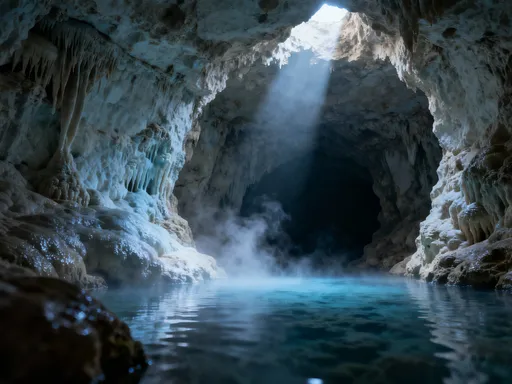
The most extensive of these is the Pálvölgyi-Mátyáshegyi Cave System, stretching more than 10 kilometers in length, though only a portion is accessible to the public. This labyrinth of narrow passages, high domes, and echoing chambers maintains a constant temperature of around 12°C year-round, making it a natural refuge from both summer heat and winter cold. The cave’s walls glisten with moisture, and in some areas, delicate calcite formations—such as stalactites and flowstones—continue to grow at a rate of just a few millimeters per century. These formations are fragile and protected; touching them can halt their growth or introduce bacteria that disrupt the cave’s delicate ecosystem.
Beyond their geological significance, these caves have played a vital role in human history. During World War II, sections of the cave system were used as air-raid shelters, capable of housing thousands of people. In the Cold War era, some tunnels were repurposed for military storage and even rumored to serve as secret command centers. One of the most remarkable uses was the underground hospital established in the Szemlőhegy Cave, where medical staff treated patients in complete secrecy, powered by generators and lit by dim electric lamps. Today, while no longer used for such purposes, these spaces remain protected and are occasionally opened for historical and educational tours.
The caves also support a unique ecosystem. Because they are isolated from sunlight and maintain stable conditions, they host specialized organisms found nowhere else. Blind, pale-colored invertebrates such as cave crickets and springtails thrive in the darkness, feeding on organic matter washed in from the surface. Rare species of fungi grow on the walls, sustained by mineral-rich seepage. Scientists study these microorganisms to understand how life adapts to extreme environments—a field with implications for astrobiology and environmental conservation. For visitors, guided tours offer a safe and informative way to experience this hidden world, complete with helmets, headlamps, and expert guides who emphasize preservation and respect for the cave’s fragility.
Thermal Waters and Their Shaping Power
Budapest is often called the “City of Spas,” and for good reason—over 120 natural thermal springs feed its famous bathhouses. These waters originate as rainfall in the nearby hills, which percolates deep into the Earth’s crust, sometimes reaching depths of over 1,000 meters. There, they are slowly heated by geothermal energy from the region’s ancient volcanic roots. Under pressure, the warm, mineral-laden water rises back to the surface through cracks and fissures, emerging at temperatures between 22°C and 40°C. This continuous cycle has been ongoing for millions of years, long before humans arrived.
The mineral composition of these waters varies by location but typically includes calcium, magnesium, hydrogen carbonate, and sulfur compounds—elements known for their therapeutic effects on the skin, joints, and respiratory system. The Gellért Baths, for example, draw water from a spring rich in sulfate and calcium, which is believed to aid in the treatment of musculoskeletal conditions. The Széchenyi Baths, the largest medicinal bath complex in Europe, use water from two deep wells that produce over 70,000 liters of thermal water daily. These baths are not just tourist attractions—they are part of Hungary’s national healthcare tradition, where doctors often prescribe regular bathing as part of rehabilitation programs.
But the influence of thermal waters extends beyond wellness. As the water rises and evaporates, it deposits minerals such as calcium carbonate, forming travertine—a porous limestone that builds up over time. This process is still active in places like the Rózsadomb district, where small terraces and crusts of travertine can be seen along streambeds and rock faces. In some areas, this deposition has contributed to the natural reinforcement of slopes and the creation of new landforms. Engineers and geologists monitor these areas closely, as uncontrolled mineral buildup can affect drainage and structural stability.
Urban planning in Budapest must also account for the presence of underground water flows. Construction projects near known springs or fault lines require special assessments to avoid disrupting water pathways or triggering subsidence. In recent decades, city authorities have implemented strict regulations to protect thermal aquifers from overuse or contamination. Sustainable management ensures that future generations can continue to benefit from this natural resource. The thermal waters are not just a luxury—they are a living part of the city’s geology, constantly reshaping the land beneath the surface.
The Danube’s Carving Force: How Water Defines the City
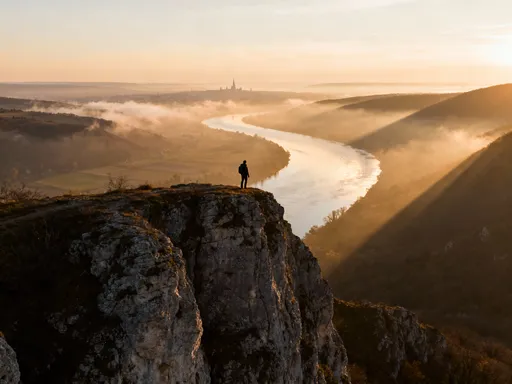
The Danube River is more than a scenic divider—it is a powerful geological force that has sculpted Budapest’s landscape over millennia. As it flows through the city, the river cuts through layers of volcanic rock on the Buda side, exposing dramatic cliffs and revealing a cross-section of Earth’s history. These rock faces, visible from boat tours and riverside paths, show alternating bands of andesite, tuff, and limestone—each layer telling a story of ancient eruptions, sedimentation, and erosion. The sharp bend the river takes around Castle Hill is not accidental; it is the result of differential erosion, where softer rock erodes faster than harder rock, guiding the river’s path.
Seasonal flooding and long-term downcutting continue to shape the riverbanks, particularly in protected areas like the Danube-Ipoly National Park, which extends north of the city. Here, natural processes are allowed to unfold with minimal human interference, preserving habitats for birds, fish, and riparian vegetation. The park’s floodplains and oxbow lakes are remnants of the river’s former courses, illustrating how dynamic and ever-changing river systems can be. Along the urban stretches, however, flood control measures such as retaining walls and embankments have stabilized the banks, reducing erosion but also limiting the river’s natural ability to reshape the landscape.
The river’s influence extends underground as well. Fluctuations in the Danube’s water level affect the pressure in nearby aquifers, which can influence the flow of thermal springs. During periods of high water, increased pressure can temporarily reduce spring output; during droughts, the opposite may occur. Scientists monitor these interactions closely, as they have implications for both water resource management and urban infrastructure. Understanding the river’s role is essential for maintaining the balance between development and environmental preservation.
For visitors, the Danube offers more than just views—it offers perspective. A simple boat ride becomes a lesson in geology when you know what to look for. The sheer rock walls of Gellért Hill, the isolated peak of Castle Hill, and the flat plains of Pest all owe their form to the river’s persistent work. Recognizing this transforms a leisurely cruise into a journey through time, where every bend and bluff tells a story written by water.
Urban Trails on Wild Ground: Hiking Where City Meets Nature
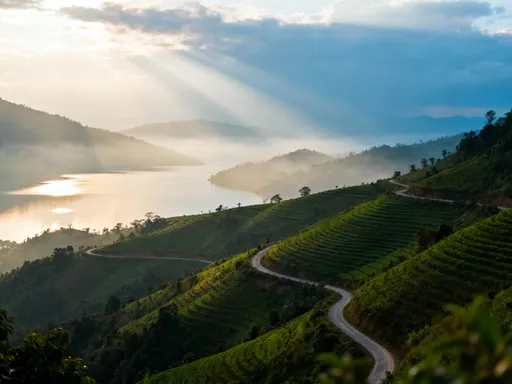
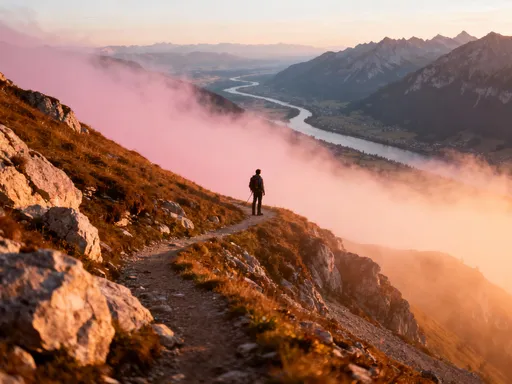
One of Budapest’s greatest gifts is accessibility to nature. Within minutes of the city center, forested trails climb into the Buda Hills, offering panoramic views, fresh air, and direct contact with the region’s geology. The Blue Trail, part of Hungary’s national long-distance hiking network, winds through protected areas, passing exposed rock faces, small caves, and natural springs. Hikers can pause at lookout points like János Hill, the highest peak in Budapest, to see the city sprawled below, framed by the Danube and the distant plains.
Another unique feature is the Children’s Railway, a narrow-gauge train operated primarily by young conductors under adult supervision. This historic line runs through the heart of the Buda Hills, connecting suburban neighborhoods with forested parks and geological sites. Passengers pass old quarry faces where limestone was once extracted, now reclaimed by moss and ferns. The railway itself follows a route shaped by the terrain, with tunnels and switchbacks designed to navigate steep slopes. It is both a transportation service and a living museum of engineering and landscape interaction.
Parks such as Normafa and Zugliget offer family-friendly access to nature, with paved paths, picnic areas, and educational signs explaining local flora, fauna, and rock formations. These spaces are not just recreational—they are part of a broader effort to reconnect urban dwellers with the natural world. Schools organize field trips here, teaching children about geology, conservation, and the importance of green spaces in city life. For adults, a hike through the pines offers a mental reset, a chance to breathe deeply and step away from the pace of urban routines.
These trails also serve as corridors for wildlife. Deer, foxes, and numerous bird species move through the forested hills, sometimes seen at dawn or dusk. Conservationists work to maintain these habitats, ensuring that urban development does not fragment the ecosystem. Boardwalks and viewing platforms allow observation without disturbance. The integration of nature into the city’s fabric is not accidental—it is a deliberate choice to preserve what makes Budapest unique: a capital where wilderness and civilization coexist.
How to Explore Responsibly: Safety, Access, and Preservation
Exploring Budapest’s hidden terrain is a privilege that comes with responsibility. While many caves and trails are open to the public, others are restricted to protect fragile ecosystems or ensure visitor safety. Unofficial cave entrances, often hidden in forests or behind construction sites, may seem inviting but can be dangerous due to unstable ceilings, flooding risks, or lack of ventilation. Only caves with official access—such as Pálvölgyi or Szemlőhegy—should be entered, and always with a licensed guide. These professionals are trained in both geology and emergency response, ensuring that tours are both educational and safe.
Hiking trails are well-marked and maintained, but proper preparation is essential. Sturdy footwear with good grip is recommended, especially after rain when limestone paths can become slippery. Carrying water, a map, and a basic first-aid kit enhances safety, particularly on longer routes. Visitors should stay on designated paths to avoid damaging vegetation or triggering erosion on steep slopes. Littering is strictly prohibited in protected areas, and dog owners must keep pets on leashes to prevent disturbance to wildlife.
Tourism operators play a key role in preservation. Choosing eco-conscious companies that follow sustainable practices—such as limiting group sizes, using low-impact lighting in caves, and educating visitors about conservation—helps protect these spaces. Some organizations collaborate with scientists and park rangers to support research and monitoring efforts. By supporting responsible tourism, visitors contribute to the long-term protection of Budapest’s natural heritage.
Preservation is not just about rules—it is about mindset. It means leaving no trace, respecting closures, and understanding that these landscapes are not just backdrops for photos but living systems that require care. When we explore with awareness, we honor the land and ensure that future generations can experience the same wonder.
Why This Terrain Matters: A City Shaped by Nature
Budapest’s soul is not only in its architecture or history—it is rooted in the very ground beneath it. The hills, waters, and caves are not passive scenery; they are active participants in the city’s story. They have influenced where people settled, how buildings were constructed, and even how lives are lived. The thermal baths are not just places of relaxation—they are direct expressions of geological forces. The winding river is not just a landmark—it is a sculptor of land and memory. The caves beneath the city are not curiosities—they are archives of time, shelter, and survival.
In an age when many cities look increasingly alike, shaped by globalized design and uniform materials, Budapest stands apart. It is a place where nature still speaks loudly, where the past is not buried but visible in rock and water. To walk its streets is to walk on layers of history—volcanic eruptions, ancient seas, glacial rains—all compressed into the present. Understanding this connection deepens the experience of travel. It transforms sightseeing into insight, and tourism into reverence.
For the 30- to 55-year-old woman who seeks meaningful travel—experiences that nourish the mind and spirit—Budapest offers a rare gift. It invites you to look beyond the surface, to feel the pulse of the Earth beneath your feet, and to remember that even in a city, nature is never far away. This is not just a destination; it is a reminder of how deeply we are shaped by the world around us. And in that awareness, there is both wonder and wisdom.