You Won’t Believe These Hidden Art Gems in Amman
Amman isn’t just about ancient ruins and street food—it’s a city pulsing with creativity. I was blown away by how deeply art is woven into its streets, galleries, and communities. From bold murals in Jabal Al-Weibdeh to intimate studios breathing life into traditional crafts, Amman’s art spaces feel raw, real, and refreshingly unpolished. This isn’t tourist-perfect art—it’s honest, local, and deeply connected to Jordan’s soul. Let me take you through the spots that made me fall in love with the city’s creative heartbeat.
The Unexpected Art Pulse of Amman
Many travelers arrive in Amman expecting only history—Roman amphitheaters, biblical sites, and desert castles frozen in time. But beneath its ancient surface lies a dynamic, evolving cultural heartbeat that few anticipate. Over the past two decades, the city has quietly cultivated a contemporary art movement that speaks to identity, resilience, and transformation. This creative energy isn’t confined to museums or elite galleries; it spills onto sidewalks, flourishes in repurposed homes, and hums in independent studios across the city. Art in Amman has become both a mirror and a megaphone—reflecting societal shifts and amplifying voices often left unheard.
What makes this artistic renaissance so compelling is how it coexists with tradition. Artists are not rejecting the past but reinterpreting it—drawing from Islamic geometric patterns, Bedouin embroidery, and Arabic calligraphy to create works that feel simultaneously rooted and revolutionary. The rise of art collectives, grassroots festivals, and alternative exhibition spaces has democratized access, allowing creativity to thrive beyond institutional walls. In neighborhoods once overlooked, color now floods alleyways, and conversations unfold on concrete canvases. This fusion of old and new gives Amman’s art scene its unique texture—a layered narrative of continuity and change.
Importantly, this cultural shift has also played a role in urban renewal. Areas like Jabal Al-Weibdeh and Jabal Amman, once fading under economic strain, have been revitalized through creative investment. Old houses with crumbling facades now house galleries, artist residencies, and cultural centers. These spaces attract both locals and visitors, fostering dialogue and community engagement. Art has become a catalyst—not just for aesthetic transformation, but for social connection and civic pride. For the discerning traveler, especially one attuned to authentic cultural experiences, Amman offers more than monuments; it offers a living, breathing artistic conversation.
Jabal Al-Weibdeh: Where Walls Speak Volumes
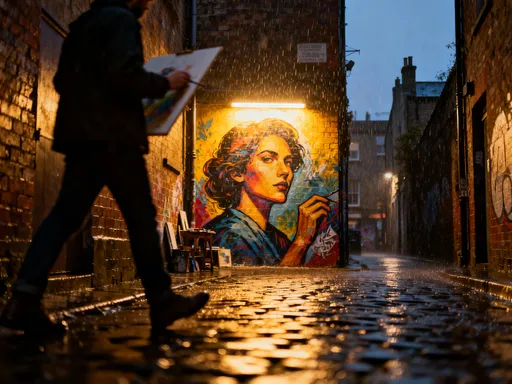
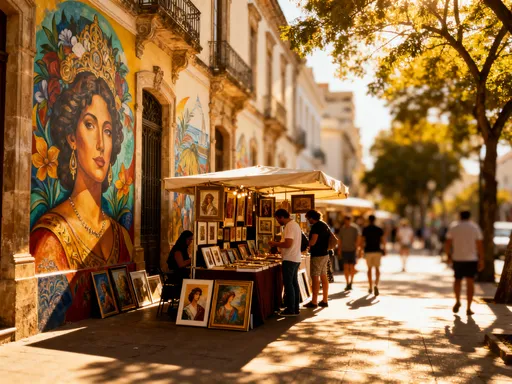
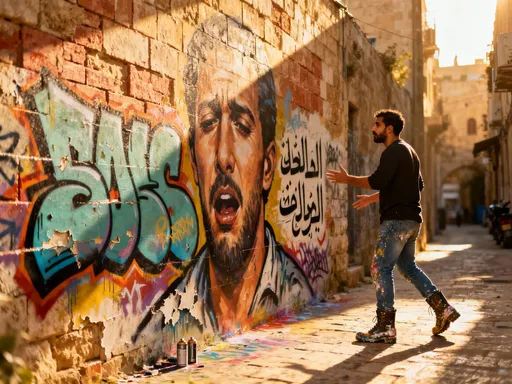
If Amman has an artistic soul, it pulses strongest in Jabal Al-Weibdeh. Tucked between rolling hills and bustling thoroughfares, this historic neighborhood has long been a haven for intellectuals, writers, and creatives. Today, its narrow, winding streets serve as an open-air gallery where every turn reveals a new visual story. The walls here don’t just hold paint—they carry messages. Murals depict everything from poetic fragments in Arabic script to powerful images of protest, migration, and hope. Some are politically charged, others whimsical or surreal, but all are deeply intentional.
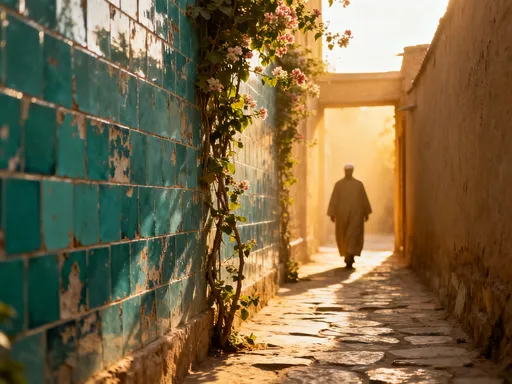
Walking through Jabal Al-Weibdeh feels like flipping through the pages of a visual diary. One mural shows a child holding a key, symbolizing the Palestinian right of return—a poignant reminder of shared regional memory. Another features a woman’s face composed of mosaic tiles, her eyes following you down the street. These aren’t decorative afterthoughts; they’re statements. Local artists, often working with minimal funding and maximum passion, use public space to challenge, mourn, celebrate, and imagine. The neighborhood’s bohemian spirit is palpable—cafés with mismatched chairs spill onto sidewalks, bookshops double as exhibition spaces, and impromptu poetry readings happen in hidden courtyards.
The best time to explore is late afternoon, when the golden light softens the stone buildings and artists are often still at work. Early evenings bring a gentle buzz as residents gather for tea or shisha, pausing to admire a freshly painted wall. Photography lovers will find endless inspiration, but it’s important to be respectful—many murals are deeply personal or politically sensitive. Ask before photographing people, and avoid touching or defacing any artwork. For a more immersive experience, consider joining a guided walking tour led by local art advocates who can provide context behind the symbols and stories embedded in the streets.
Rainbow Street: More Than Just a Hangout Spot
Just a short walk from Jabal Al-Weibdeh, Rainbow Street has earned its reputation as Amman’s cultural artery. Known for its lively café culture and boutique shopping, it’s easy to overlook the street’s quieter, more contemplative side—the thriving micro-scenes where art and everyday life intersect. Beneath the aroma of freshly baked kunafa and the chatter of friends meeting for coffee, there’s a steady undercurrent of creativity. Small galleries tucked between restaurants showcase emerging artists. Pop-up exhibitions appear in vacant storefronts during weekends. Local illustrators set up easels on sidewalks, sketching passersby or capturing the skyline.
What sets Rainbow Street apart is its accessibility. Unlike formal galleries that can feel intimidating, here art feels approachable, almost accidental. You might stumble upon a poetry slam in a backroom café or a live painting session in a courtyard. These informal exchanges foster a sense of community, especially among young Jordanians eager to express themselves. The street has become a platform for experimentation—where graffiti meets fine art, where fashion designers collaborate with painters, and where digital art is projected onto old walls during cultural festivals.
Visitors should take time to look beyond the surface. A small shop selling handmade jewelry may also host monthly art shows. A quiet corner café could be displaying photographs from a recent refugee camp workshop. These spaces, though modest, are vital to Amman’s creative ecosystem. They provide visibility for artists who might not yet have gallery representation and create opportunities for dialogue across generations and backgrounds. For families or older travelers, Rainbow Street offers a gentle way to engage with contemporary culture—over coffee, conversation, and curiosity. It’s not about grand statements; it’s about the quiet, persistent hum of creativity in motion.
Dar Al-Anda: A Gallery with a Legacy
For those seeking a more curated experience, Dar Al-Anda stands as one of Amman’s most respected private art institutions. Housed in a beautifully restored villa with arched windows and a sun-dappled courtyard, the gallery exudes quiet elegance. Founded with a mission to support Jordanian and regional artists, Dar Al-Anda has played a pivotal role in elevating contemporary art within the country’s cultural landscape. Its exhibitions are thoughtfully curated, often blending painting, sculpture, and multimedia installations to explore themes of memory, displacement, and identity.
What distinguishes Dar Al-Anda is its commitment to depth over spectacle. Rather than chasing trends, the gallery fosters long-term relationships with artists, allowing them to develop complex bodies of work. Past exhibitions have featured everything from haunting abstract pieces inspired by war zones to vibrant textiles reimagining folk traditions. The space itself becomes part of the experience—the interplay of light and shadow, the texture of stone floors, the stillness that invites contemplation. Visitors are encouraged to linger, to read artist statements, to engage with the work on a personal level.
The gallery also hosts lectures, artist talks, and educational programs, making it a hub for serious art discourse. It’s not uncommon to see university students sketching in notebooks or families discussing a piece over tea in the garden. For travelers who appreciate structure and context, Dar Al-Anda offers a grounded entry point into Amman’s art world. Opening hours are limited—typically Wednesday through Saturday—so planning ahead is essential. Photography is allowed in most cases, but flash is discouraged out of respect for the artwork and other visitors. This is not a place to rush through; it’s a sanctuary for slow looking and deeper understanding.
The Urban Art Festival & Temporary Murals
One of the most transformative forces in Amman’s art scene has been the annual Urban Art Festival, a week-long event that brings together local and international artists to transform neglected walls into vibrant masterpieces. What began as a small initiative has grown into a citywide celebration of creativity and collaboration. Using scaffolding, spray paint, and sheer determination, artists reimagine forgotten corners of the city—abandoned buildings, highway underpasses, even electrical boxes—turning them into arresting visual statements.
The festival’s impact goes beyond aesthetics. By inviting artists from different countries to work alongside Jordanian creatives, it fosters cross-cultural dialogue and mutual inspiration. A German stencil artist might team up with a Jordanian calligrapher to create a hybrid piece blending Gothic lettering with Arabic script. A mural in the Wadi Al-Seer district might depict a fusion of German Expressionism and Levantine folk motifs. These collaborations break down barriers, proving that art can be a universal language even when words fail.
Though the festival is temporary, many murals remain, becoming permanent landmarks. One particularly striking piece in Jabal Al-Natheef shows a giant hand emerging from the earth, holding a dove made of shattered mirror fragments—a powerful metaphor for peace rising from brokenness. These works have changed how residents see their neighborhoods, instilling pride and encouraging stewardship. For visitors, following a self-guided mural trail offers a dynamic way to explore the city. Maps are often available at cultural centers or through local tourism offices. The best part? These artworks are free to view, accessible 24/7, and deeply embedded in the urban fabric.
Craft Meets Contemporary: Art in Traditional Forms
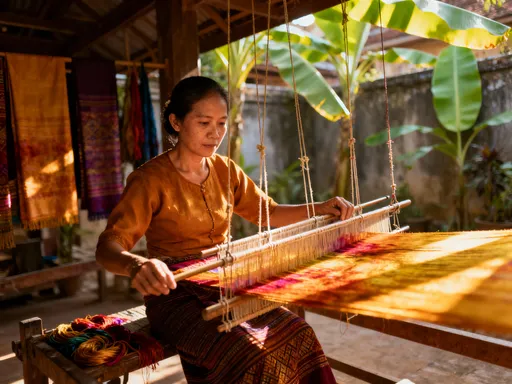
While street art and galleries capture much attention, another vital thread in Amman’s creative tapestry is the revival of traditional crafts through a modern lens. Across the city, cultural centers and artisan studios are reimagining age-old techniques—not as relics, but as living, evolving art forms. Calligraphy, once reserved for religious texts, now adorns contemporary canvases with bold, abstract strokes. Ceramics inspired by Nabataean pottery are reshaped into minimalist home décor. Textiles featuring traditional tatreez embroidery are transformed into fashion-forward scarves and wall hangings.
One such space is the Jordan River Foundation’s Creative Center, where women from rural communities design and produce handmade goods using sustainable practices. Here, art becomes a vehicle for empowerment—providing income, preserving heritage, and building confidence. Visitors can observe artisans at work, purchase ethically made pieces, and even participate in workshops. The center emphasizes slow craftsmanship, teaching that beauty lies in patience and precision. Each stitch, each brushstroke, carries intention.
Another example is the Designs by Space collective, which collaborates with local potters to create modern ceramic collections using traditional kilns and methods. Their work balances functionality and artistry, appealing to both collectors and everyday users. These spaces remind us that art isn’t only about innovation—it’s also about continuity. By honoring the past while embracing the present, they offer a model of cultural sustainability. For travelers interested in meaningful souvenirs, these studios provide an alternative to mass-produced trinkets—objects with stories, made by hands that care.
Tips for Exploring Amman’s Art Scene Like a Local
To truly appreciate Amman’s art scene, it’s best to slow down and embrace a wanderer’s mindset. Start with a morning walk through Jabal Al-Weibdeh, then meander toward Rainbow Street for a midday coffee at a café with outdoor seating—perfect for people-watching and soaking in the atmosphere. Wear comfortable shoes; the city is built on hills, and exploring on foot reveals hidden courtyards and unexpected murals around every corner. Carry a small notebook or use your phone to jot down artists’ names or quotes from murals—many locals appreciate the interest.
When visiting galleries like Dar Al-Anda, check opening times in advance and consider calling ahead if traveling during religious holidays or summer months, when hours may be reduced. Dress modestly out of respect for local customs—long sleeves and covered shoulders are advisable, especially in more conservative neighborhoods. When photographing street art, be mindful of your surroundings. Avoid blocking foot traffic, and never climb on structures or touch wet paint. If you see an artist at work, a simple smile or nod is a kind gesture; if you’d like to ask questions, do so politely and without pressure.
One of the most rewarding ways to engage is by supporting local creators directly—buying a postcard, a handmade ceramic, or a print from a street vendor. These small acts sustain the ecosystem that makes Amman’s art scene so vibrant. Consider scheduling your visit around cultural events like the Urban Art Festival or Amman Design Week, when the city comes alive with installations, talks, and pop-ups. Above all, resist the urge to rush. This is not a checklist of sights but an invitation to pause, observe, and connect. Let the city reveal itself gradually, like layers of paint peeling back to show something real beneath.
Amman’s art spaces are more than destinations—they are testaments to resilience, identity, and the enduring human need to create. In a region often defined by conflict and change, these expressions of beauty and meaning stand as quiet acts of courage. They remind us that culture is not static; it breathes, evolves, and finds new forms. For the thoughtful traveler, especially one seeking depth and authenticity, Amman offers a rare gift: the chance to witness a city painting its future, one brushstroke at a time. Look beyond the postcard views. Step into the alleys, linger in the courtyards, listen to the walls. Let Amman’s creative heartbeat become your own.