You Won't Believe What I Shot in the Nazca Desert
Flying over the Nazca Lines felt like peering into an ancient mystery written in stone. From the air, the desert transforms into a canvas of giant geoglyphs—spiders, birds, and geometric shapes etched with eerie precision. As a photographer, capturing this surreal terrain was both a challenge and a dream. The light, the silence, the sheer scale—it’s unlike anything on Earth. This is not just travel. It’s a visual journey into one of the planet’s most puzzling and breathtaking landscapes.
The First Glimpse from Above
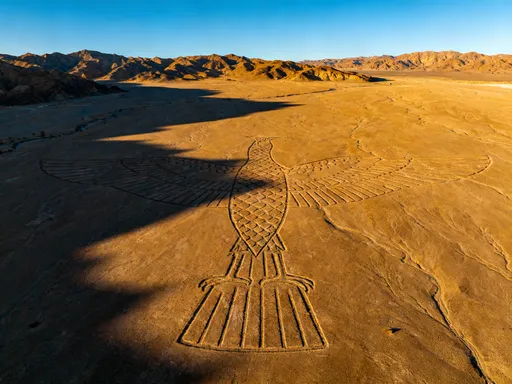
The moment the small Cessna climbs above the arid plains of southern Peru, the Nazca Desert unfolds beneath like a forgotten manuscript. The transition from abstract patterns to recognizable forms—the outstretched wings of a hummingbird, the spiral tail of a monkey, the angular precision of trapezoids stretching for hundreds of meters—happens in a heartbeat. For first-time visitors, the emotional impact is profound: a mix of awe, disbelief, and quiet reverence. These are not crude drawings but deliberate, monumental etchings, visible only from the sky, left behind by a civilization that vanished over 1,500 years ago. The aerial perspective is not just recommended—it is essential. Without it, the true scale and complexity of the geoglyphs remain invisible.
Most flights depart from nearby Pisco or Ica, with operators offering 30- to 45-minute tours in compact, high-wing aircraft that seat three or four passengers. Booking in advance is strongly advised, especially during peak travel seasons, as availability is limited and weather-dependent. Morning flights, typically between 8:00 and 10:30 a.m., provide the most stable air conditions and optimal lighting. Turbulence can be expected, particularly as the plane banks sharply to give both sides of the cabin a view of the lines, but experienced pilots navigate the route with practiced precision. Passengers are often given headsets to hear commentary and reduce engine noise, enhancing the overall experience.
For photographers, securing a window seat is non-negotiable. The clarity of your images will depend heavily on clean, scratch-free plexiglass, which varies by aircraft. Using a polarizing filter can help reduce glare, while a lens with image stabilization is invaluable for counteracting vibrations. Fast shutter speeds—1/1000th of a second or higher—are recommended to freeze motion during turns. While smartphones can capture decent shots, a DSLR or mirrorless camera with a telephoto zoom lens (70–200mm) allows for tighter framing of distant figures. Autofocus should be set to continuous mode to track movement, and shooting in RAW format preserves maximum detail for post-processing.
Natural light plays a crucial role in visibility. Mid-morning sunlight, with the sun high enough to minimize long shadows but not so intense as to wash out contrast, reveals the subtle differences between the darker surface stones and the lighter subsoil exposed by the ancient creators. The stark tonal contrast is what makes the lines stand out so clearly from the air. Late afternoon flights are less ideal due to harsher shadows and increased heat turbulence, which can blur distant details. Ultimately, the combination of altitude, clarity, and illumination creates a fleeting window for photographic excellence—one that demands preparation and timing.
Why Nazca’s Terrain Inspires Photographers
The Nazca Desert is not merely a backdrop; it is a carefully preserved stage where time has stood still. Its unique geological stability is the reason these ancient lines have endured for centuries with minimal degradation. The region lies on a high, flat plateau, shielded from heavy rainfall by the rain shadow of the Andes. With less than one inch of rain per year, the climate is among the driest on Earth. This aridity, combined with a protective layer of iron- and manganese-rich pebbles on the surface, has prevented erosion and vegetation growth, leaving the geoglyphs remarkably intact.
What makes the landscape so visually compelling is its uniformity. The desert floor appears as a vast, uninterrupted expanse of reddish-brown and ochre tones, broken only by the pale beige lines carved beneath. This homogeneity creates a natural canvas, allowing even the most subtle etchings to stand out with dramatic clarity. The contrast is not just visual—it is symbolic. The dark surface stones, oxidized over millennia, were deliberately removed to expose the lighter soil underneath, forming shapes that can stretch over 900 feet in length. From the air, this deliberate manipulation of earth becomes a study in negative space, a form of land art centuries ahead of its time.
For photographers, this tonal consistency offers rare compositional control. The color palette—dominated by warm earth tones—lends itself to cohesive storytelling across a series of images. Rich ochres blend into deep browns, while patches of pale gray and chalky white provide natural highlights. These hues respond beautifully to changes in light, shifting subtly from cool silvers at dawn to molten golds at midday. The absence of modern infrastructure—no roads, buildings, or power lines—means the frame remains pure, undisturbed by human interference. What you see through the lens is not a reconstructed site but an authentic, unaltered relic of antiquity.
Texture also plays a vital role in photographic depth. The desert’s surface is not flat but subtly undulating, with wind-carved ridges and cracked earth patterns that add dimensionality to wide-angle shots. Shadows cast by slight elevations create natural gradients, enhancing the three-dimensionality of the lines. When photographed at oblique angles, these textures transform the ground into a topographic map, revealing the interplay between human design and natural forces. The stillness of the environment amplifies the sense of scale—without sound or movement, the viewer’s eye is drawn entirely to form, line, and contrast. In this way, the Nazca Desert does not just allow photography; it demands a thoughtful, intentional approach to image-making.
Chasing the Perfect Light
In desert photography, light is not just a tool—it is the subject. The Nazca region, with its cloudless skies and minimal atmospheric interference, offers some of the most predictable and dramatic lighting conditions on the planet. The golden hours—shortly after sunrise and before sunset—are particularly transformative. During these times, the low-angle sun skims across the desert floor, casting long, sculptural shadows that emphasize the contours of the geoglyphs. A trapezoid becomes a three-dimensional trench, a spiral gains depth, and the faintest line emerges from obscurity. This interplay of light and shadow turns static images into dynamic visual experiences.
For photographers willing to venture beyond the aerial tour, ground-level visits to observation points like the Mirador Tower offer unique opportunities. Located along the Pan-American Highway, this elevated platform provides a clear view of several major lines, including a massive hand and a lizard figure. Arriving early or staying late allows for long-exposure techniques, especially effective when capturing the faint gradations of light as dawn breaks or dusk settles. A tripod is essential for stability, and using a remote shutter release minimizes camera shake. Shooting in manual mode gives full control over aperture and shutter speed, enabling photographers to balance detail and mood.
However, the desert environment presents technical challenges. Heat haze, caused by rising air temperatures, can distort distant subjects, particularly in midday shots. This shimmering effect blurs fine details and reduces contrast, making it difficult to achieve sharp focus. To mitigate this, it is best to limit ground photography to the cooler hours of early morning or late afternoon. Wind-blown sand is another concern, capable of scratching lenses and infiltrating camera bodies. Using protective filters, sealing gear in plastic when not in use, and avoiding lens changes in open areas can help preserve equipment.
Lens selection is critical in this high-contrast environment. A wide-angle lens (16–35mm) is ideal for capturing expansive views of the desert and its geoglyphs in relation to the horizon. A telephoto lens (100–400mm) allows for tighter framing of distant details, especially useful when photographing from the Mirador or nearby hills. Neutral density (ND) filters are helpful for managing brightness during long exposures, while graduated ND filters can balance the exposure between a bright sky and a darker foreground. Polarizing filters enhance color saturation and reduce surface glare, particularly effective on the sun-baked stones. Together, these tools empower photographers to adapt to the desert’s extremes and extract maximum visual impact from every moment of light.
Beyond the Lines: Hidden Textures and Patterns
While the geoglyphs are the primary attraction, the Nazca Desert holds countless lesser-known subjects that reward patient observation. Away from the famous figures, the ground tells quieter stories—of time, erosion, and natural artistry. Cracked mud flats resemble ceramic glaze, their polygonal fissures forming intricate networks that stretch across the valley. Wind-carved ridges, known as ventifacts, bear smooth, sculpted surfaces polished by centuries of sandblasting. Isolated stone arrangements, possibly markers or ritual sites, dot the landscape like forgotten sentinels. These elements, often overlooked, offer rich material for abstract and macro photography.
Using a macro lens (90–100mm) reveals an entirely different world. Close-ups of the desert surface expose mineral streaks, tiny fossilized shells, and crystalline deposits embedded in the soil. Animal tracks—likely from foxes or lizards—can be found in softer areas, their delicate imprints preserved until the next windstorm. These details, though small, connect the viewer to the living ecosystem that persists in this harsh environment. When processed in black and white, such images emphasize texture and contrast, transforming a patch of cracked earth into a dramatic study of form and pattern.
For those permitted to use drones, low-altitude flights (within legal limits) provide a unique perspective between the aerial and ground levels. Capturing the transition from intact surface to excavated line, or photographing a geoglyph from a 45-degree angle, reveals construction techniques invisible from higher altitudes. However, drone usage in the Nazca region is strictly regulated. Unauthorized flights can result in fines or confiscation of equipment. Only licensed operators with special permits are allowed to fly near the protected zones. Always consult local authorities or tour guides before attempting any drone photography.
Creative composition can elevate these subtle elements into compelling narratives. Shooting in black and white emphasizes contrast and form, stripping away color distractions to focus on geometry and texture. Abstract framing—zooming in on a single crack or a cluster of stones—invites viewers to question scale and context. Some photographers use intentional camera movement (ICM) to create impressionistic blurs, mimicking the wind’s effect on the landscape. Others layer multiple exposures to convey the passage of time. These techniques, while experimental, honor the spirit of discovery that defines the Nazca experience.
Navigating the Region: Practical Photography Planning
Reaching the Nazca Desert requires careful planning, especially for photographers aiming to capture the best conditions. The most common route is to fly into Lima, then take a domestic flight or long-distance bus to Pisco or Ica. From there, shared shuttles or private transfers connect to Nazca town, a small desert settlement that serves as the base for tours. While Nazca itself is not a tourist destination in the traditional sense, it offers essential services, including hotels, restaurants, and tour agencies. Staying in a hotel with early breakfast service is advisable for those booking morning flights, as departures can begin as early as 7:00 a.m.
Accommodation options range from budget guesthouses to mid-range hotels with rooftop terraces and quiet rooms. Some lodgings cater specifically to photographers and researchers, offering wake-up calls, packed lunches, and advice on local conditions. Wi-Fi is generally available, though speeds may be slow. Power outlets use the standard Type A and B plugs (110V), so travelers from other regions should bring adapters. Given the extreme heat—often exceeding 100°F (38°C) during the day—air conditioning and access to drinking water are essential amenities.
Health and safety considerations are paramount. Dehydration and sun exposure are real risks. Travelers should drink at least three liters of water per day, wear wide-brimmed hats, UV-protective sunglasses, and high-SPF sunscreen. Lightweight, breathable clothing in light colors helps regulate body temperature. Camera gear should be protected from dust and heat; using padded bags with silica gel packs prevents condensation and overheating. It is also wise to carry a lens cleaning kit, as fine sand can settle on equipment quickly.
Local regulations must be respected. The Nazca Lines are a UNESCO World Heritage Site, and access to certain areas is restricted to protect the fragile surface. Visitors are not allowed to walk on or near the geoglyphs, except at designated viewpoints like the Mirador. Drone use is highly controlled, and unauthorized flights are illegal. Tour operators and guides are familiar with these rules and can help ensure compliance. By following local guidelines, photographers not only avoid penalties but also contribute to the preservation of this irreplaceable cultural treasure.
The Cultural Context Behind the Lens
Photographing the Nazca Lines is not just a technical exercise—it is an encounter with a profound cultural legacy. Created between 500 BCE and 500 CE by the Nazca people, these geoglyphs are believed to have served ritual, ceremonial, or astronomical functions. While their exact purpose remains uncertain, archaeological evidence suggests they were connected to water-related ceremonies, possibly invoking divine favor for rainfall in an environment defined by scarcity. The lines may have marked pilgrimage routes or celestial alignments, reflecting a deep understanding of the natural world.
Understanding this context enriches the photographic process. It shifts the focus from mere documentation to storytelling. A photograph of the hummingbird glyph is no longer just an image of a shape—it becomes a window into a civilization that transformed the desert into a sacred space. This awareness encourages photographers to approach the site with respect, avoiding sensationalist angles or misleading captions that reduce the lines to mere curiosities. Ethical representation means acknowledging the mystery without fabricating explanations.
Visitors seeking deeper insight can explore the Maria Reiche Center, a small museum dedicated to the German archaeologist who spent decades studying and preserving the lines. Her work helped bring international attention to the site and contributed to its protection. The center displays maps, photographs, and tools used in early research, offering valuable background without promoting unverified theories. While some alternative narratives suggest extraterrestrial involvement, mainstream archaeology attributes the geoglyphs to human ingenuity and sophisticated surveying techniques. Photographers are encouraged to base their narratives on credible sources and to present the lines as a testament to human creativity and resilience.
Respect also extends to local communities. The descendants of ancient Andean cultures continue to live in the region, maintaining traditions that honor the land. Engaging with local guides, purchasing crafts from artisans, and supporting community-run initiatives contribute to sustainable tourism. By doing so, photographers become part of a larger effort to preserve both cultural heritage and environmental integrity. The lens, in this sense, becomes a bridge—not just between viewer and subject, but between past and present.
From Capture to Storytelling
A photograph of the Nazca Lines is more than a record—it is an invitation to wonder. The best images do not simply show what was seen; they convey what was felt: the silence of the desert, the weight of history, the mystery of creation. In post-processing, the goal should be enhancement, not transformation. Subtle adjustments to contrast, clarity, and white balance can bring out the natural textures and tones without distorting reality. Over-sharpening or excessive saturation risks undermining the authenticity of the scene. Preserving the muted, earthy palette honors the landscape’s true character.
Sequencing images thoughtfully can create a narrative arc. A series might begin with a wide aerial shot, establishing scale, then move to tighter details of individual glyphs, followed by abstract textures and environmental portraits. Including a few ground-level images—such as the Mirador or a close-up of the desert floor—anchors the viewer in physical reality. Captions, when used, should provide context without over-explaining. Letting the images breathe, allowing mystery to remain, is often more powerful than filling every gap with words.
Ultimately, the photographs we take from Nazca have the potential to inspire others. They can spark curiosity about ancient civilizations, promote cultural preservation, and deepen appreciation for the planet’s wonders. In an age of digital overload, these images stand out not for their spectacle, but for their stillness. They remind us that some of the most powerful stories are written not in books, but in the earth itself—etched by hands long gone, waiting to be seen anew.
The Nazca Desert does not give up its secrets easily. It asks for patience, preparation, and presence. But for those who approach it with care, it offers something rare: a moment of connection across time, a glimpse into a world shaped by vision and purpose. To photograph Nazca is not just to capture a place—it is to be changed by it. And in that change, we find not only better images, but a deeper way of seeing.