You Won’t Believe These Hidden Viewpoints Hiking Near Novi Sad
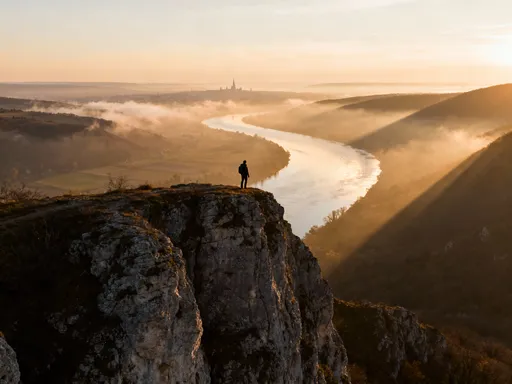
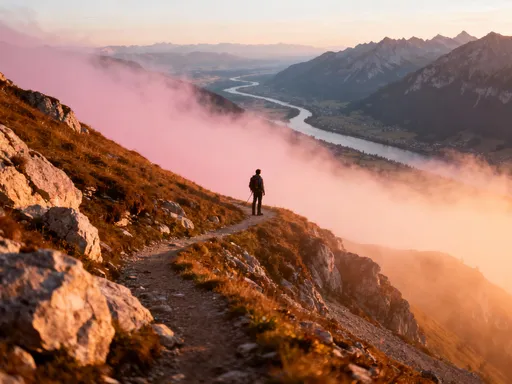
Hiking around Novi Sad, Serbia, is a quietly powerful experience—few expect such raw beauty just beyond the city. I set out looking for peace and found jaw-dropping viewpoints I never knew existed. Winding trails through Fruška Gora lead to silent clearings where the Danube unfolds below like a silver ribbon. These aren’t tourist traps; they’re real, unfiltered moments of nature. If you're craving fresh air and panoramic soul lifts, this is your sign to lace up and go.
Why Hiking in Novi Sad’s Backyard Stands Out
Fruška Gora, often referred to as the jewel of northern Serbia, is a serene mountain range rising gently from the plains along the Danube River. Just a short distance from Novi Sad, this national park encompasses over 80 square kilometers of protected forest, rolling hills, and centuries-old monasteries nestled among the trees. What makes this region uniquely rewarding for hikers is its perfect balance of accessibility and untouched beauty. Unlike more remote mountain ranges in the Balkans, Fruška Gora is within easy reach—just 20 to 40 minutes by car or bus—yet feels worlds away from urban life.
The geological history of Fruška Gora adds to its allure. Formed millions of years ago when the Pannonian Sea receded, the mountain is a remnant of ancient tectonic shifts and sedimentary deposits. This process created a ridge with gradual elevation changes, peaking at around 539 meters at Crveni Čot. While not towering by alpine standards, this elevation is enough to offer dramatic vantage points over the surrounding lowlands and the wide, meandering Danube. The varied topography supports diverse ecosystems, from beech and oak forests to open grassy meadows, making each trail segment visually distinct.
For viewpoint seekers, the mountain’s east-west orientation is especially advantageous. As the sun moves across the sky, different ridges catch the light at unique angles, enhancing the visual depth of the landscape. Trails that follow the crest of the mountain often open into clearings where the forest parts like a curtain, revealing sweeping panoramas. These natural observation points are not engineered or commercialized; they are gifts of terrain and time. Because the trails are generally moderate in difficulty, these vistas are attainable for hikers of various fitness levels, including families and older adults who may prefer a steady pace.
Another reason Fruška Gora stands out is its harmonious blend of nature and culture. Scattered throughout the park are more than a dozen Serbian Orthodox monasteries, some dating back to the 15th century. These historic sites are often situated on elevated ground, originally chosen for their spiritual seclusion and commanding views. Today, they serve as both cultural landmarks and natural trail markers, guiding hikers toward higher elevations where the scenery intensifies. The presence of these monasteries enriches the hiking experience, adding a layer of quiet reverence to the journey.
Top Viewpoint Trails: Where to Go and What You’ll See
For those eager to discover the most breathtaking lookouts in Fruška Gora, several well-established trail routes lead to unforgettable vistas. Each offers a unique perspective on the landscape, combining natural beauty with manageable hiking demands. These trails are suitable for half-day excursions, allowing hikers to return to Novi Sad by late afternoon with memories etched in sunlight and silence.
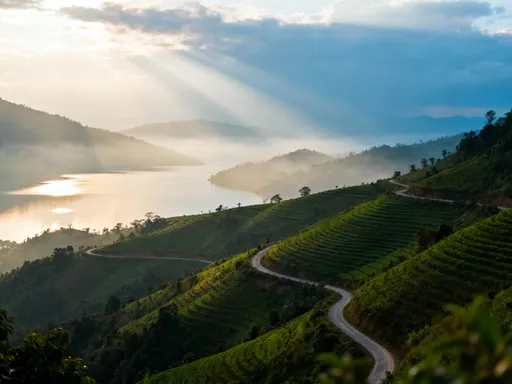
One of the most rewarding routes begins near the village of Jazak, a common access point located on the northern slopes of the mountain. From the Jazak Monastery parking area, a marked trail heads southward into the forest, gradually ascending through a canopy of beech and hornbeam trees. After approximately 45 minutes of steady walking, the path opens onto a wide clearing known locally as Veliki Jazak Viewpoint. From here, the Danube stretches into the distance like a winding mirror, reflecting the sky and the flat expanses of the Bačka region. On clear days, the skyline of Novi Sad is faintly visible to the east, a subtle reminder of the city’s proximity without disrupting the sense of solitude.
Another excellent option starts at the trailhead near the village of Gornji Petrovci. This route follows a ridge trail that leads toward the ruins of the Staro Selo Monastery, an abandoned complex slowly being reclaimed by nature. Along the way, hikers pass through open meadows dotted with wildflowers in spring and early summer. About two hours into the hike, the terrain levels out near a natural plateau where a simple wooden bench offers a perfect spot to pause. The view from this location captures the southern curve of the Danube, with vineyards terraced along the lower slopes of the mountain. In autumn, the foliage transforms the landscape into a patchwork of gold, crimson, and deep green, creating a scene that feels almost painterly in its composition.
For those seeking a slightly more challenging ascent with equally impressive rewards, the trail leading up to Crveni Čot is highly recommended. Starting from the village of Popovica, this path gains elevation more quickly, winding through dense forest before emerging near the summit. The final stretch is marked with red-and-white blazes, indicating a main hiking route. At the top, a stone observation platform provides a 360-degree panorama. To the north, the Danube forms a wide bend around the base of the mountain; to the south, the Srem region unfolds in gentle waves of farmland and forest. On exceptionally clear days, the distant silhouette of the Vojvodina plains stretches toward the horizon, giving a profound sense of openness and space.
Seasonal changes significantly influence what hikers will see along these trails. In spring, the forest floor comes alive with blooming anemones and wood sorrel, while birdlife becomes more active, filling the air with song. Summer brings lush greenery and dappled sunlight filtering through the leaves, though hikers should start early to avoid the midday heat. Autumn is widely regarded as the most beautiful time to visit, with cooler temperatures and vibrant foliage enhancing the visual impact of every viewpoint. Winter hikes are possible but require preparation for icy conditions and shorter daylight hours. Regardless of the season, each trail offers a distinct sensory experience, ensuring that repeat visits never feel redundant.
Best Times to Hike for Clear, Crowd-Free Views
To fully appreciate the hidden viewpoints of Fruška Gora, timing is essential. While the mountain can be enjoyed year-round, certain periods offer optimal conditions for both visibility and tranquility. The ideal months for hiking are late spring—specifically May and early June—and early autumn, from September through mid-October. During these windows, temperatures are mild, ranging between 15°C and 24°C, and the likelihood of prolonged rain is relatively low. These conditions make for comfortable walking and ensure that trails remain dry and safe underfoot.
Within the day, the choice of departure time can dramatically affect the quality of the experience. Early morning hikes, beginning at sunrise or shortly after, offer several advantages. First, the air is typically clearest in the morning, before heat and humidity begin to build. This enhances long-distance visibility, allowing hikers to see across the Danube and into the surrounding regions with remarkable clarity. Second, morning light casts a soft, golden glow across the landscape, particularly striking when the sun rises behind the eastern ridges. Photographers and nature lovers alike will appreciate how this lighting accentuates textures in the terrain and creates gentle shadows in the valleys.
Another benefit of hiking early is solitude. Fruška Gora attracts local visitors, especially on weekends, but most arrive in the late morning or afternoon. By starting at dawn, hikers can enjoy stretches of trail with no one else in sight, amplifying the sense of immersion in nature. The quiet of morning also heightens awareness of natural sounds—the rustle of leaves, the call of a distant jay, or the soft crunch of gravel underfoot—all of which contribute to a meditative atmosphere.
Golden hour, the period shortly before sunset, is another excellent time for hiking, particularly for those focused on photography. The low-angle sunlight bathes the western slopes in warm tones, making vineyards and treetops glow. However, evening hikes require careful planning, especially for less familiar trails. It is crucial to carry a headlamp or flashlight and to begin the descent with ample daylight remaining. Trails without consistent lighting can become difficult to navigate after dark, even for experienced hikers.
Weather patterns in the region also influence the best times to visit. Valley areas, particularly near river inlets, are prone to morning fog, which can obscure views from lower elevations. This fog usually burns off by mid-morning, so hikers aiming for panoramic sights should allow time for the atmosphere to clear. Summer months, from July through August, bring higher temperatures and increased humidity, which can make sustained walking uncomfortable, especially on exposed ridges. If hiking during this season, starting very early and carrying extra water is strongly advised.
Additionally, planning around local events can help avoid crowds. The EXIT Festival, held annually at the Petrovaradin Fortress in Novi Sad, draws tens of thousands of visitors each July. While the festival itself is a cultural highlight, the influx of tourists can extend to nearby natural areas, including trailheads in Fruška Gora. Hiking during the week before or after the festival, or choosing less accessible entry points, can preserve the sense of seclusion that makes these trails so special.
What to Pack: Practical Gear for a Half-Day Hike
Preparing the right gear for a half-day hike in Fruška Gora ensures both comfort and safety, allowing hikers to focus on the journey rather than logistical concerns. The terrain is generally moderate, but the forested paths can be uneven, and weather conditions may shift unexpectedly. A well-packed day bag should include essentials that address hydration, protection, navigation, and energy needs.
Footwear is one of the most critical considerations. Sturdy hiking shoes or trail runners with good grip are recommended, as some sections of the trail can be rocky or slippery, especially after rain. Avoid wearing smooth-soled sneakers or sandals, which offer inadequate support on inclines. Clothing should be layered to accommodate changing temperatures. A moisture-wicking base layer, a lightweight fleece or insulated jacket, and a breathable windbreaker or rain shell provide flexibility. Even in summer, temperatures at higher elevations can be cooler than expected, so having an extra layer is wise.
Hydration is equally important. Hikers should carry at least 1.5 liters of water, more if hiking during warmer months. While some local taverns near trail exits may offer drinks, there are no reliable water sources along the trails themselves. It is not advisable to drink from natural streams without proper filtration. Including electrolyte tablets or a powdered mix can help maintain energy and prevent cramping during longer ascents.
Nutrition plays a supporting role in endurance and enjoyment. Packing lightweight, high-energy snacks such as trail mix, dried fruit, energy bars, or sandwiches ensures that hikers can replenish calories without adding bulk to their pack. These foods are easy to carry and consume during short breaks at viewpoints. For those planning a longer hike or returning late, a small thermos with tea or soup can provide welcome warmth in cooler weather.
Navigational tools are essential, even on well-marked routes. A physical map of Fruška Gora National Park, available at local tourist centers, should be carried alongside a charged smartphone with offline maps. Applications like OsmAnd or Maps.me allow users to download trail data in advance and track their location without cellular service. A portable power bank ensures that devices remain functional throughout the hike.
Finally, a few optional but valuable items can enhance the experience. A compact camera or smartphone with a wide-angle lens helps capture the sweeping vistas. A small tripod or phone mount enables stable shots, especially in low light. Sun protection—such as a hat, sunglasses, and sunscreen—is important on exposed ridges. Insect repellent is recommended in spring and summer, particularly in wooded areas where mosquitoes may be present. A lightweight emergency blanket and a basic first-aid kit provide additional peace of mind.
Navigating the Trails: Maps, Markers, and Safety Tips
While Fruška Gora’s trails are generally well-established, navigation requires preparation due to occasional inconsistencies in signage. Trail markers, typically painted on trees or posts, follow a color-coded system—red, white, or red-and-white stripes—indicating main routes. However, these markers can fade over time or be obscured by foliage, especially in less-traveled areas. Relying solely on blazes is not sufficient; hikers should use them as supplemental guides rather than primary navigation tools.
The most reliable method of navigation is a combination of offline digital maps and a physical topographic map. Offline-capable apps like OsmAnd, Komoot, and Gaia GPS offer detailed trail overlays and real-time location tracking. Users should download the relevant map section before departure, as mobile signal can be weak or nonexistent in forested zones. These apps also allow hikers to save waypoints, such as trailheads, viewpoints, or exit points, which aids in route planning and orientation.
Before setting out, it is wise to review the planned route and identify key landmarks—monasteries, parking areas, or road crossings—that can serve as reference points. Sharing the itinerary with a friend or family member adds an extra layer of safety. If a hiker does not return by a predetermined time, someone will know to check on their status. This simple step is especially important for solo hikers or those exploring lesser-known paths.
Safety in Fruška Gora is generally not a major concern, but basic precautions should be observed. The wildlife is minimal in terms of risk—there are no large predators, and encounters with snakes are rare and typically non-threatening. The most common hazards are environmental: uneven terrain, sudden weather changes, and dehydration. Staying on marked trails helps prevent getting lost and reduces the risk of disturbing protected areas.
If a hiker does become disoriented, the best course of action is to stop, remain calm, and assess the situation. Retracing steps to the last known point is often effective. If using a GPS-enabled device, checking the current location against the saved route can help realign the path. In cases of uncertainty, it is safer to descend to a lower elevation where roads or villages are more accessible. Carrying a whistle or small mirror can assist in signaling for help if needed, though emergency services in Serbia can be reached by dialing 112 from a mobile phone.
Another important consideration is respect for private property and protected zones. Some trails pass near vineyards or monastery grounds that are not open to the public. Hikers should avoid trespassing and stick to designated paths. Littering is strictly prohibited in national parks, and all waste should be carried out. These practices help preserve the integrity of the landscape for future visitors.
Connecting with Local Culture Along the Way
One of the quiet joys of hiking in Fruška Gora is the opportunity to engage with local culture in an authentic, unhurried way. Near the end of many trails, especially those descending toward villages like Iriški Venac, Sremski Karlovci, or Budinci, small family-run taverns known as *krajevske mese* offer a warm welcome and a taste of regional hospitality. These rustic eateries are not designed for tourists; they are part of daily life, where locals gather for meals, conversation, and a glass of homemade wine.
Stopping at one of these taverns after a hike provides more than just refreshment—it completes the journey with a sense of connection. Menus typically feature hearty, home-cooked dishes: roasted meats, fresh cheeses, pickled vegetables, and bread baked in wood-fired ovens. A plate of grilled sausages with ajvar, served with a cold beer or a local white wine, is a fitting reward after hours on the trail. The portions are generous, the atmosphere relaxed, and the prices modest.
Wine is a particular point of pride in this region. Fruška Gora has been a wine-producing area for centuries, with vineyards cultivating indigenous varieties like Sremac, Leankka, and Frankovka. Many small winemakers welcome visitors for tastings, especially in the late afternoon. Even without a formal tour, hikers can sample local vintages at taverns that source directly from nearby cellars. A glass of crisp, dry white wine enjoyed on a shaded terrace, with the mountain rising behind, is an experience that lingers in memory.
Rakija, a traditional fruit brandy, is another cultural staple. Often offered as a gesture of welcome, a small shot of plum or quince rakija can be a surprising but pleasant end to a meal. While strong in flavor and alcohol content, it is served respectfully and in moderation. These moments of shared tradition—offered without pretense—add depth to the hiking experience, grounding it in the rhythms of local life.
Why These Viewpoints Are Worth Protecting—and Returning To
The hidden viewpoints of Fruška Gora offer more than scenic beauty; they provide a rare opportunity for mental clarity and emotional renewal. In a world increasingly dominated by screens, schedules, and noise, the act of walking through quiet forest, climbing toward a summit, and standing in silence above the Danube is a form of quiet resistance—a reclamation of slowness, presence, and perspective. The physical effort of the hike mirrors the internal journey: each step upward brings not just elevation, but a shift in mindset.
Studies have consistently shown that spending time in nature reduces stress, improves mood, and enhances cognitive function. The combination of rhythmic movement, fresh air, and natural beauty triggers a restorative response in the body and mind. For women in their 30s to 50s—often balancing careers, family responsibilities, and personal well-being—these hikes offer a valuable form of self-care. They are not escapes from life, but reconnections with it. The solitude of the trail allows space for reflection, while the grandeur of the view instills a sense of wonder and gratitude.
Yet these landscapes are not indestructible. Increased visitation, if unmanaged, can lead to trail erosion, littering, and disruption of wildlife. Sustainable hiking practices are therefore essential. The principle of Leave No Trace—packing out all trash, staying on marked paths, avoiding loud noises, and respecting wildlife—should guide every visitor. Supporting local businesses, such as family-run taverns and eco-conscious tour operators, also contributes to the long-term preservation of the region.
These viewpoints are not just destinations; they are invitations—to return, to reflect, to breathe deeply. Each season reveals a new facet of their beauty, ensuring that no two visits are the same. Whether bathed in spring light, autumn color, or winter stillness, they offer a constant: the enduring power of nature to uplift and transform. For anyone seeking peace, perspective, and a touch of quiet magic, the trails of Fruška Gora await.