Punta del Este’s Pulse: Where Luxury Meets Lively Street Vibes
Stepping into Punta del Este feels like walking into a vibrant dream—ocean breeze, sun-kissed streets, and energy at every corner. I came for the beaches, but stayed for the commercial heartbeat: open-air markets, boutique lanes, and waterfront promenades alive with life. This isn’t just a getaway—it’s a front-row seat to how style, shopping, and South American flair blend seamlessly. Let me take you through the spots that made me fall in love with Uruguay’s most dazzling coastal gem.
First Impressions: Arrival in Punta del Este
From the moment travelers leave the Carrasco International Airport in Montevideo and begin the scenic 130-kilometer drive east, Punta del Este starts to reveal itself—not as a distant destination, but as a gradual unfolding of coastal elegance. The transition from cityscape to seaside sophistication happens smoothly, with modern highways giving way to tree-lined avenues bordered by low-rise villas and glimpses of the Atlantic. As the coastline emerges, so does the city’s commercial rhythm. Even before checking into a hotel, visitors pass clusters of open-air kiosks selling beach towels, sunscreen, and cold drinks—small signs of a town where commerce flows as naturally as the tide.
The arrival experience sets the tone for what Punta del Este does best: balancing luxury with accessibility. The drive ends at a city that doesn’t feel overwhelming, yet pulses with curated energy. Hotels and resorts, many positioned along the shoreline, offer panoramic views, but it’s the streets just beyond the lobbies that invite immediate exploration. The blend of manicured landscaping and spontaneous street life creates a welcoming contrast—orderly enough for comfort, vibrant enough to excite. This first encounter is not just about scenery; it’s about sensing the city’s commercial soul already in motion, where every turn offers a hint of what’s to come.
What stands out most upon arrival is how integrated the shopping experience is with daily life. Unlike resort towns where retail feels isolated or tourist-centric, Punta del Este’s commercial zones are lived-in, dynamic spaces. Locals jog along the promenade, stop at corner kiosks for coffee, and browse outdoor stalls during weekday mornings. This authenticity reassures visitors that they’re not entering a staged environment, but a real community where tourism and local culture coexist. The ease of access—whether by rental car, taxi, or scheduled shuttle—further enhances the welcoming atmosphere, making it simple for families and solo travelers alike to begin their exploration without delay.
The Heart of Shopping: Avenida Gorlero and Surroundings
If Punta del Este has a commercial spine, it is Avenida Gorlero—a bustling thoroughfare that stretches from the harbor area toward the city’s central neighborhoods. More than just a street, it functions as a living showcase of Uruguayan urban life, where international brands stand shoulder to shoulder with family-run shops and seasonal pop-up markets. From high-end fashion boutiques to stores selling hand-knitted woolens and leather goods, Gorlero offers a diverse retail landscape that caters to both luxury seekers and those looking for authentic local finds.
Walking down Avenida Gorlero is a multisensory experience. The scent of grilled meat from nearby parrillas mingles with the salt air, while the rhythmic beat of street musicians adds a soundtrack to the steady flow of pedestrians. Sunlight glints off polished storefronts, and colorful awnings provide shade over sidewalk displays of sunglasses, jewelry, and artisanal soaps. Vendors call out friendly greetings, not with pushy sales tactics, but with the warmth typical of Uruguayan hospitality. This balance of energy and ease is what makes Gorlero so appealing—it’s lively without being chaotic, commercial without losing charm.
What truly defines Gorlero is its role as a cultural crossroads. It’s not merely a place to shop, but a place to observe and engage. Locals meet here for afternoon coffee, teenagers window-shop between classes, and tourists pause to take photos of the vibrant street art that occasionally appears on side walls. The avenue also hosts seasonal events, such as holiday markets and fashion showcases, which transform the street into a festival-like atmosphere. These moments highlight how commerce in Punta del Este is intertwined with community life, making shopping feel less like a transaction and more like participation in a shared rhythm.
For visitors, Gorlero serves as both an introduction and a constant reference point. Its central location makes it easy to return throughout a stay, whether to pick up forgotten essentials, sample a new café, or simply soak in the atmosphere. The street’s accessibility—lined with benches, crosswalks, and shaded areas—ensures that even those with limited mobility or traveling with children can enjoy it comfortably. In a city known for elegance, Gorlero reminds everyone that true sophistication includes inclusivity and ease.
Galerías del Este: Modern Retail in a Coastal Town
Just a short walk from Avenida Gorlero lies Galerías del Este, one of the city’s premier indoor shopping destinations. This modern mall blends contemporary architecture with coastal aesthetics, featuring large glass facades, natural wood finishes, and an open layout that allows sea breezes to drift through common areas. Inside, the environment is cool and inviting, a welcome retreat during the midday sun. The center houses a carefully curated mix of retailers, from international fashion labels like Zara and Lacoste to Uruguayan brands specializing in leather, wool, and swimwear.
What sets Galerías del Este apart is its ability to offer urban convenience without sacrificing local character. Unlike generic shopping centers found in many tourist destinations, this mall integrates regional elements—such as displays of Uruguayan crafts near the entrances and seasonal pop-ups featuring local designers. The food court includes kiosks serving chivitos, empanadas, and artisanal ice cream, reinforcing the connection to national cuisine. Even the rest areas are thoughtfully designed, with seating that encourages conversation and relaxation, often accompanied by soft instrumental music that echoes traditional South American rhythms.
Visitor patterns at Galerías del Este reflect the city’s dual identity as both a vacation spot and a cultural hub. During weekday afternoons, the mall sees a mix of tourists browsing for souvenirs and locals picking up household items or meeting for lunch. Evenings bring a different energy, especially in summer, when families stroll through after dinner, enjoying the air-conditioned comfort before returning to their hotels. Weekends are livelier, with weekend markets occasionally set up in the outdoor plaza, drawing even more foot traffic. The mall’s operating hours—typically from 10 a.m. to 9 p.m.—align well with tourist schedules, allowing for flexible shopping without feeling rushed.
Importantly, Galerías del Este does not compete with street-level commerce; it complements it. Many visitors use the mall as a starting point, gathering information, comparing prices, or seeking shelter from rain before venturing back to outdoor markets. The center also provides practical amenities—restrooms, ATMs, free Wi-Fi, and stroller rentals—that enhance the overall shopping experience across the city. By serving as a reliable, comfortable base, the mall enables deeper exploration of Punta del Este’s more spontaneous retail offerings.
La Calle de la Llamada: Art, Culture, and Commerce Collide
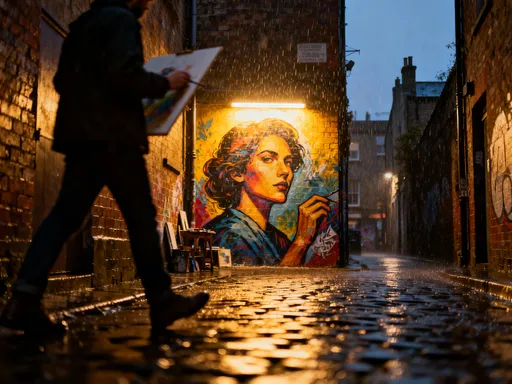
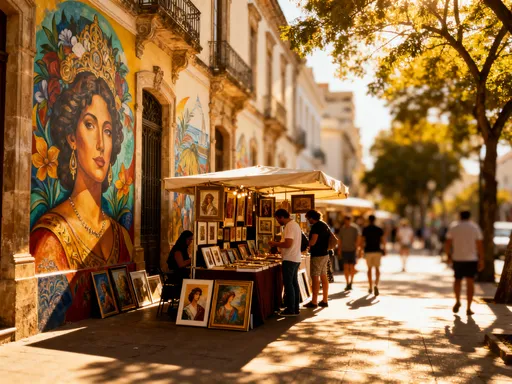
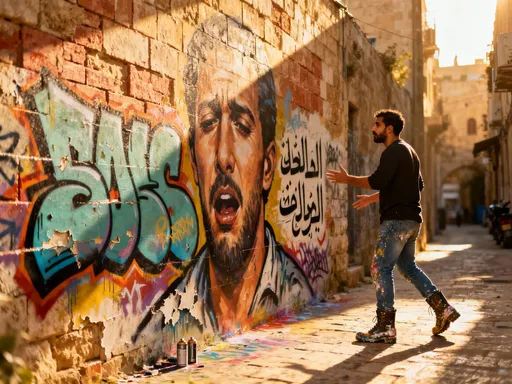
Just a few blocks from the main commercial zones lies a different kind of shopping experience: La Calle de la Llamada, a creative corridor known for its murals, artisan studios, and independent galleries. Unlike the polished storefronts of Gorlero or the climate-controlled comfort of Galerías del Este, this street thrives on raw authenticity. Every wall tells a story, painted with bold colors and symbolic imagery that reflect Uruguayan history, nature, and social values. Here, commerce is not just about buying—it’s about discovering, connecting, and being inspired.
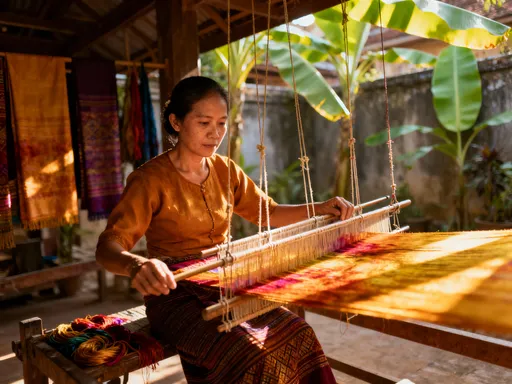
Walking down La Calle de la Llamada feels like stepping into an open-air museum. Artists often work in visible studios, their doors open to passersby. Some demonstrate traditional techniques like hand-printed textiles or ceramic molding, while others create contemporary pieces using recycled materials. Shoppers can purchase directly from the makers, often engaging in brief conversations that add meaning to their purchases. A woven scarf isn’t just an accessory—it becomes a story of craftsmanship, passed from hand to hand. These interactions foster a sense of trust and appreciation that mass-produced goods rarely offer.
The rise of experiential shopping has found a natural home on this street. Visitors increasingly seek more than souvenirs—they want memories, skills, and connections. Workshops in pottery, painting, and textile design are now common, allowing guests to create something personal while supporting local artists. These experiences are especially popular with families, who appreciate activities that are both educational and enjoyable. The street also hosts monthly art walks, where galleries stay open late, musicians perform, and food trucks line the sidewalk, turning the area into a festive cultural district.
La Calle de la Llamada represents a growing trend in Punta del Este: the blending of art and economy. By supporting creative entrepreneurs, the city nurtures a sustainable form of tourism that values originality over imitation. This street is not just a destination—it’s a statement about what modern commerce can be when rooted in authenticity, community, and expression. For travelers who want to go beyond the surface, it offers a deeper, more meaningful way to engage with Uruguay.
Portón del Este and Farmers’ Markets: Taste the Local Economy
Among the most heartwarming commercial experiences in Punta del Este are its farmers’ markets, with Portón del Este standing out as a prime example. Held weekly in a spacious plaza near the city center, this market brings together small-scale producers from across the Maldonado region. Stalls overflow with fresh fruits, organic vegetables, free-range eggs, and locally made cheeses. The air carries the rich aroma of slow-cooked stews, freshly baked bread, and herbal infusions, drawing visitors in with promises of flavor and nourishment.
What makes Portón del Este special is its emphasis on sustainability and community. Vendors are required to prove that their goods are locally sourced, ensuring transparency and supporting regional agriculture. Many farmers bring their families, turning the market into a social event as much as a commercial one. Children help arrange produce, elders share recipes with curious shoppers, and dogs nap under tables—small details that make the experience feel genuine and warm. For travelers, it’s an opportunity to taste Uruguay beyond the restaurant menu, to understand the care that goes into everyday food.
The market also features artisans selling honey, jams, candles, and herbal remedies—products made in small batches with natural ingredients. These items reflect a growing interest in wellness and eco-conscious living, trends that resonate strongly with health-minded visitors, particularly women aged 30 to 55 who prioritize quality and authenticity. Many leave with reusable cloth bags filled not just with groceries, but with stories: the beekeeper who tends hives in the countryside, the grandmother who uses her family’s century-old quince recipe, the young couple fermenting kombucha in their backyard.
Portón del Este and similar markets play a vital role in Punta del Este’s economy, ensuring that tourism benefits more than just large businesses. By choosing to shop here, visitors contribute directly to small producers, helping preserve traditional farming methods and rural livelihoods. These markets also serve as informal gathering spaces, where locals and tourists exchange smiles, tips, and sometimes even recipes. In a world where travel can feel increasingly commercialized, such places offer a refreshing reminder of connection, simplicity, and shared humanity.
Waterfront Commerce: The Paseo de la Narración and Marina Area
Along the city’s eastern shore, the Paseo de la Narración unfolds as a masterpiece of urban design—a seaside promenade that doubles as a commercial corridor. Stretching between Playa Brava and Playa Mansa, this walkway offers sweeping views of the ocean and the iconic La Mano sculpture, while also hosting a curated selection of boutiques, cafes, and artisan stands. Unlike crowded boardwalks in other destinations, this space maintains a sense of elegance and openness, with wide pathways, native landscaping, and thoughtful seating areas that invite lingering.
The retail offerings along the Paseo reflect Punta del Este’s reputation for refined taste. High-end boutiques showcase designer swimwear, linen clothing, and nautical-inspired accessories, all tailored to the coastal lifestyle. Cafés serve artisanal coffee, fresh juices, and light meals on outdoor terraces, where guests can dine with their feet nearly in the sand. Souvenir stands are tastefully designed, offering quality items like hand-painted tiles, leather journals, and locally made perfumes—far removed from the mass-produced trinkets found in less selective markets.
Adjacent to the promenade, the marina area adds another layer of commercial sophistication. Yachts line the docks, and surrounding plazas host upscale restaurants and wine bars where guests enjoy fine dining under string lights. Shops here specialize in luxury goods—sunglasses, watches, sailing gear—catering to a discerning clientele. Yet, the space remains accessible. Families stroll through in casual attire, children chase seagulls, and couples share ice cream—all coexisting within an environment of quiet elegance.
Urban planning plays a crucial role in this balance. The integration of commerce with public space ensures that shopping never feels intrusive. Benches face the water, not the stores. Pathways are wide enough to accommodate strollers and wheelchairs. Lighting is soft and ambient, enhancing safety without disrupting the natural beauty of sunset. These details reflect a deep respect for both visitors and residents, proving that commercial success and community well-being can go hand in hand.
Practical Tips: Navigating Commercial Areas with Ease
Exploring Punta del Este’s commercial zones is enjoyable and stress-free, especially with a few practical insights. The best time to visit Avenida Gorlero and Galerías del Este is weekday mornings, when crowds are thinner and parking is easier. Late afternoons, especially in summer, bring higher foot traffic as both locals and tourists emerge after siesta hours. For a more relaxed experience, consider visiting markets like Portón del Este on Saturday mornings, when the full range of vendors is present, and the atmosphere is festive yet manageable.
Transportation between commercial areas is convenient. The city center is walkable, particularly along the waterfront, where shaded pathways make strolling pleasant even in warm weather. For longer distances, ride-sharing apps and taxis are widely available and affordable. Public buses connect major zones, though schedules may be less frequent outside peak season. Renting a bicycle is another excellent option, with dedicated lanes in many areas and rental shops offering helmets and child seats.
When it comes to payments, most shops and restaurants accept major credit cards, but it’s wise to carry some Uruguayan pesos for smaller vendors, especially at open-air markets. Language is rarely a barrier—many shopkeepers speak basic English or Portuguese, and gestures go a long way in friendly exchanges. Smiling and saying “gracias” can open doors more than fluency ever could.
Safety in commercial areas is generally excellent. Punta del Este is known for its low crime rate, and tourist zones are well-lit and monitored. Still, standard precautions apply: keep valuables secure, avoid flashing large amounts of cash, and stay aware of surroundings. Accessibility is increasingly prioritized, with ramps, elevators, and accessible restrooms in malls and major plazas. For families, many stores offer baby-changing stations and stroller access, making shopping with children comfortable and convenient.
Conclusion: Why Punta del Este’s Commercial Spirit Stands Out
Punta del Este’s charm lies not just in its beaches or luxury, but in the rhythm of its streets—the way commerce pulses through daily life with grace and warmth. Here, shopping is not a chore or a luxury indulgence, but a form of connection. It’s about tasting cheese from a farmer who raises her own cows, buying a painting from an artist who explains her inspiration, or sipping coffee on a promenade where the ocean breeze carries the laughter of children.
What makes this city unique is its balance—between modern retail and traditional markets, between high-end boutiques and street-level creativity, between tourist appeal and authentic community life. This harmony doesn’t happen by accident. It results from thoughtful planning, cultural pride, and a deep respect for both visitors and residents. In Punta del Este, commerce is not just about selling; it’s about sharing a way of life.
For women who travel not just to see, but to feel and understand, this city offers something rare: a destination where elegance meets heart. It invites you to slow down, to look closely, to engage. Whether you’re browsing a gallery, bargaining gently at a market stall, or simply watching the world go by from a café chair, you become part of the story. So come not just to shop, but to experience the pulse—the lively, welcoming, unforgettable rhythm of Punta del Este.